Melbourne, the capital of Victoria and Australia’s second-biggest city, is a multicultural metropolis. With its diverse population, Melbourne is home to people from many different ethnic backgrounds, each with their own language and culture. Whether you’re a visitor or moving here, knowing the common languages spoken in Melbourne can be helpful in navigating the city and embracing its multiculturalism. Many Melbourne tours showcase the city’s cultural diversity and linguistic heritage. The city’s linguistic diversity is a reflection of the cultures and immigration patterns that have shaped it over time.
Contents
English: The Main Language

English is the official language and most spoken language in Melbourne. Most Melburnians speak English in workplaces, schools and public places. It’s the national language so people from different backgrounds can communicate with each other without a significant language barrier. Many non-English speakers continue to improve their English through bilingual schools, community programs and English courses.
Public transport, government services and educational institutions are mainly in English. However, language translation services are available to help bridge the language gap for those who are not fluent. Sign languages including Australian Sign Language (Auslan) and Indigenous sign languages are also used by communities with hearing impairments.
Commonly Spoken Languages
With high immigration patterns and historical factors like the gold rush, Melbourne has a wide range of languages spoken by different communities. The city’s cultural diversity and ethnic distribution have led to many community languages thriving in concentrated pockets across different suburbs.
1. Mandarin and Cantonese
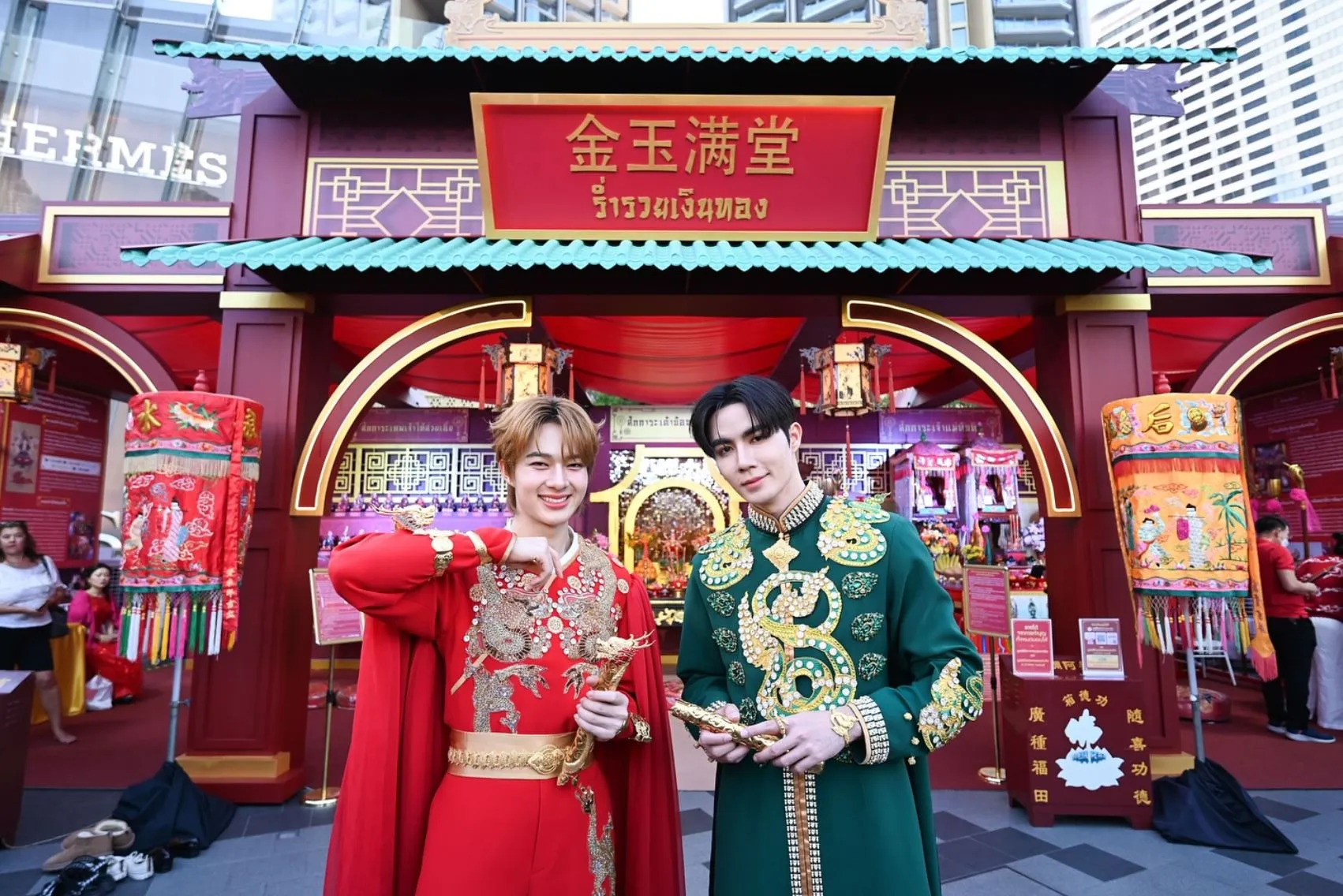
Mandarin is the second most spoken language in Melbourne due to the large Chinese population. Many Chinese communities have settled in the city and Mandarin is used in businesses, restaurants and cultural centres. Cantonese speakers are also common especially among those with ties to Hong Kong and southern China. These languages are prominent in Melbourne’s CBD especially in areas with Chinese schools and bilingual services.
2. Greek
Melbourne has one of the largest Greek-speaking communities outside of Greece. Areas like Oakleigh and Brunswick have Greek restaurants, cafes and cultural institutions. Greek language schools and community centres are also present in the city, reflecting the city’s cultural identity shaped by immigration policies.
3. Italian

Italian is a main language group in Melbourne, especially in areas like Carlton and Lygon Street. Language has been preserved for cultural reasons and strong family ties through the generations. Many Melbourne tours visit traditional Italian cafes and restaurants.
4. Vietnamese
Vietnamese is one of the fastest growing in Melbourne, especially in Footscray, Springvale and Richmond. Asian language speakers contribute to the city’s economy by running small businesses and cultural institutions.
5. Arabic
Arabic is spoken by Arabic-speaking immigrants including Lebanese, Egyptian and Iraqi. The language varies by region with multiple Arabic dialects in Melbourne. The biggest non-English dialects are Levantine, Egyptian and Gulf Arabic.
6. Punjabi and Hindi
Melbourne’s growing Indian migrant population has made Punjabi and Hindi some of the fastest-growing languages in Melbourne. These languages are spoken in primary schools, businesses and religious institutions reflecting the diversity of the subcontinent.
7. Spanish
Spanish speakers have a strong presence in Melbourne especially among Latin American communities. Many cultural festivals and language exchange programs promote the Spanish language so that people from diverse backgrounds can communicate verbally.
8. Tamil
Tamil is widely spoken by Melbourne’s Sri Lankan and South Indian population. Many Tamil speakers participate in cultural and religious events and add to Melbourne’s diversity.
9. Filipino (Tagalog)
The Filipino community is growing with many native speakers working in health care, hospitality and education.
10. Turkish
Melbourne’s Turkish-speaking population is concentrated in suburbs like Broadmeadows and Coburg.
Indigenous Languages
Melbourne has several Indigenous languages which are kept alive through Aboriginal language centres. These centres provide educational resources and cultural programs to sustain Aboriginal languages. The presence of Indigenous sign language adds to Melbourne’s linguistic diversity.
Multicultural Influence
Melbourne’s language translation services cover many languages so residents and visitors can access them. The city’s ethnicity affects the economy and so businesses, community centres and bilingual schools are created.
Melbourne tours show you the city’s cultural diversity, with neighbourhoods that have concentrations of languages that reflect Melbourne’s mix of cultures. Many European languages persist because of past waves of migration from European countries, while Asian languages are growing because of recent immigration policies.
For visitors, navigating the city is easier with bilingual school programs and community languages. Many institutions support non-English speakers so you can easily integrate into Australian life.
Melbourne’s language diversity is its cultural identity with a mix of foreign languages, community languages and Indigenous languages that shape its unique character. Whether for business or pleasure, knowing the languages spoken in Melbourne will help you appreciate its mix of cultures and rich verbal traditions.
FAQ
What is the most common language spoken in Melbourne?
English is the most spoken language in Melbourne as it’s the official language of Australia. However, the city has many languages spoken due to its migration patterns.
Is Melbourne a multicultural city?
Yes, Melbourne is one of the most multicultural cities in the world. Its migrant population means there are many languages spoken every day enriching daily life and community interactions.
Where can I find information in multiple languages in Melbourne?
Multilingual assistance is available in hospitals, banks and public services, language translation services and bilingual schools.
What areas of Melbourne have the highest language diversity?
Suburbs like Footscray, Dandenong and Brunswick have pockets of multilingual communities, each contributing to the city’s buzz.
Can I get around Melbourne without speaking English?
While English is the dominant language, Melbourne has language translation services and multilingual support so it’s easier for non-English speakers to navigate the city.