“What Months Are Too Hot to Hike Around Alice Springs, and When Does the Heat Danger Peak?” is a question I get asked all the time — usually by people stepping off a bus, eyes wide, thinking, “It’s hot, but how bad can it get?” The short answer: bad enough to melt your sense of humour if you don’t time it right.
I’m Paul Beames, founder of Get Lost Travel Group, and after years guiding through Central Australia — from Uluru Ayers Rock Tours to long treks around West MacDonnell National Park — I’ve seen the desert at its best and its most brutal. The Red Centre rewards patience. Some months offer warm days, cool nights and blue skies. Others? They’ll have you dreaming of air-conditioned roadhouses.
Let’s get into what really happens when the temperature rises and how to plan your hikes safely in this arid climate.
Contents
- 1 The Outback’s Fierce Heart
- 2 When Heat Danger Peaks
- 3 Why the Winter Months Are the Best Time for Hiking
- 4 Real Story: The Day the Desert Gave Us a Good Slap
- 5 Plan Smart Hike
- 6 Wildlife, Weather and Desert Skies
- 7 Common Heat Myths (and Why They’ll Get You in Trouble)
- 8 Quick Checklist for Safe Desert Hiking
- 9 What to Do if the Heat Catches You
- 10 The Soul of the Desert — Nights, Silence, and Endless Sky
- 11 Final Thoughts — Respect the Heat, Reap the Rewards
- 12 FAQ
The Outback’s Fierce Heart
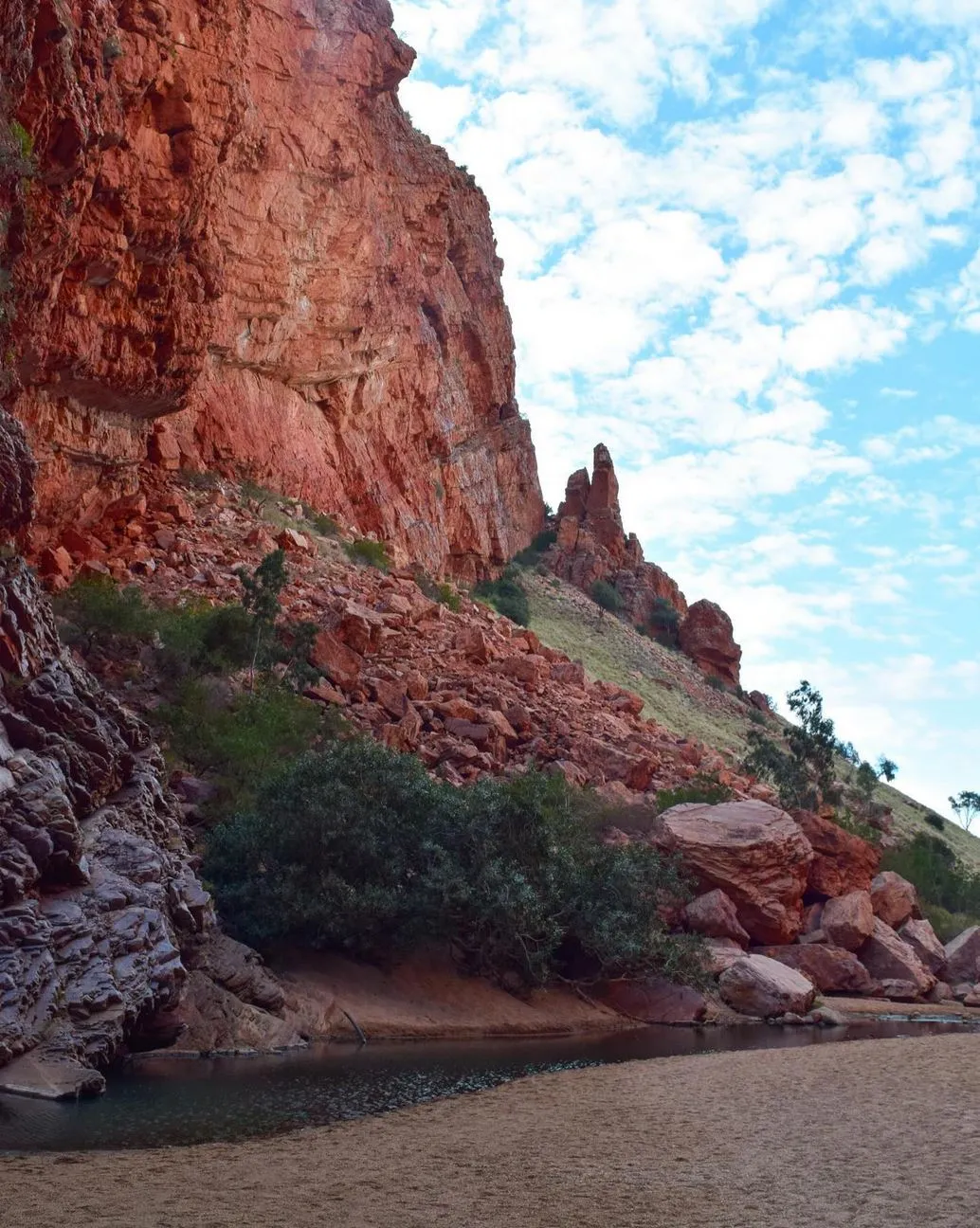
Alice Springs is smack bang in the middle of Australia — far from the coast, surrounded by desert and endless sky. This isolation gives it a harsh arid climate, with temperatures fluctuating from frosty mornings to scorching afternoons.
November to March means surface temperatures over 60°C, extreme UV and winds that feel like they’ve come straight off a barbecue. But winter and the desert change — warm days, cold nights, comfortable hiking and stunning views that’ll stop you in your tracks.
Here’s a year-round breakdown for perspective:
| Month | Average Max Temp (°C) | Average Min Temp (°C) | Rainfall (mm) | Hiking Comfort Level |
|---|---|---|---|---|
| January | 38.6 | 24.5 | 40 | Unsafe after 9 am |
| February | 37.9 | 23.8 | 44 | Unsafe after 9 am |
| March | 34.7 | 20.4 | 30 | Manageable early mornings |
| April | 30.0 | 15.0 | 15 | Great |
| May | 24.0 | 9.0 | 10 | Ideal |
| June | 20.0 | 5.0 | 5 | Ideal |
| July | 21.0 | 4.0 | 6 | Ideal |
| August | 25.0 | 7.0 | 5 | Excellent |
| September | 30.0 | 12.0 | 6 | Great early mornings |
| October | 34.0 | 18.0 | 10 | Risky mid-day |
| November | 37.0 | 22.0 | 25 | Too hot after 8 am |
| December | 39.0 | 24.0 | 35 | Dangerous mid-day heat |
Source: Bureau of Meteorology (Alice Springs Airport, NT).
When Heat Danger Peaks
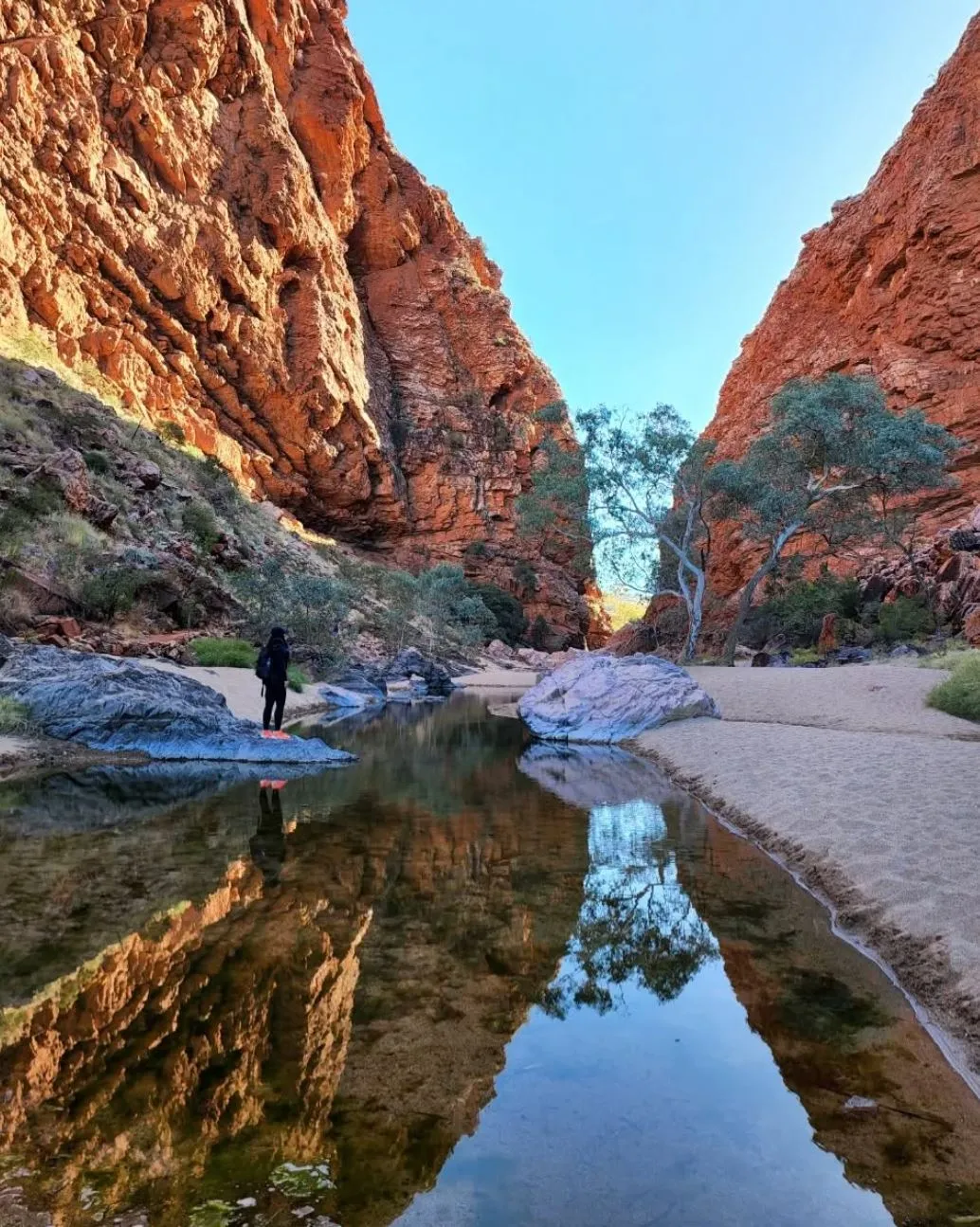
From Late November right through to Early March, the Red Centre is in no mood for messing about. UV exposure is off the charts, rocks are like radiators, and even the most seasoned hikers can get hopelessly disoriented within an hour.
On one 4 day Alice Springs Uluru Tour I ran years back, by 10 am, the ground was a balmy 63°C. Standing still, even, you could feel the heat seeping up through your boots. We had to cut the walk short and find some shelter by a nearby creek – a pretty sobering reminder that out in this wasteland, timing is everything.
Those months aren’t just about being uncomfortable – they’re downright reckless. Rangers at Simpsons Gap and the Larapinta Trail are constantly closing down sections during the high-risk periods. And it’s not just the heat – the desert weather can go from a beautiful day to a full-on flash flood in about 10 minutes, leaving you with wet crossings and tracks that are just too washed out to bother with.
If you are thinking of coming out, then be smart – skip the long hikes and do a scenic drive instead. Take a few short day trips around Alice – leave the endurance stuff for winter when the weather is far more forgiving.
Why the Winter Months Are the Best Time for Hiking
May to August is a whole different story. By then the desert has softened and it’s a beautiful time to be here – cool nights, warm days and that perfect blue sky that seems to go on forever.
The winter months are what I like to call “Desert Gold”. You’ll wake up to frost on the swags, boil up a hot coffee in the crisp morning air and take a stroll under that kind of endless sky that makes even the most seasoned traveller feel tiny. During this peak tourist season, Alice Springs comes alive with people hiking, bird watching, and even a few blokes looking for flowers – just because a bit of colour in the desert is enough for them.
Here are just a few things that make the winter months so special:
- The long-distance routes like the Larapinta Trail are in perfect trekking condition.
- The views are spectacular and the hiking is comfortable – all day long.
- Adventure sport races and marathons are kicking off, and the whole place is buzzing.
- The night skies – my god, the night skies. You’ll be counting shooting stars until your neck hurts.
If you’ve booked something like the 4-day Alice Springs Uluru Tour, then this is the time for it. You’ll be hiking in mild weather, sleeping under desert skies and waking up to the kind of silence that feels like it’s got a hold of your very soul.
Real Story: The Day the Desert Gave Us a Good Slap
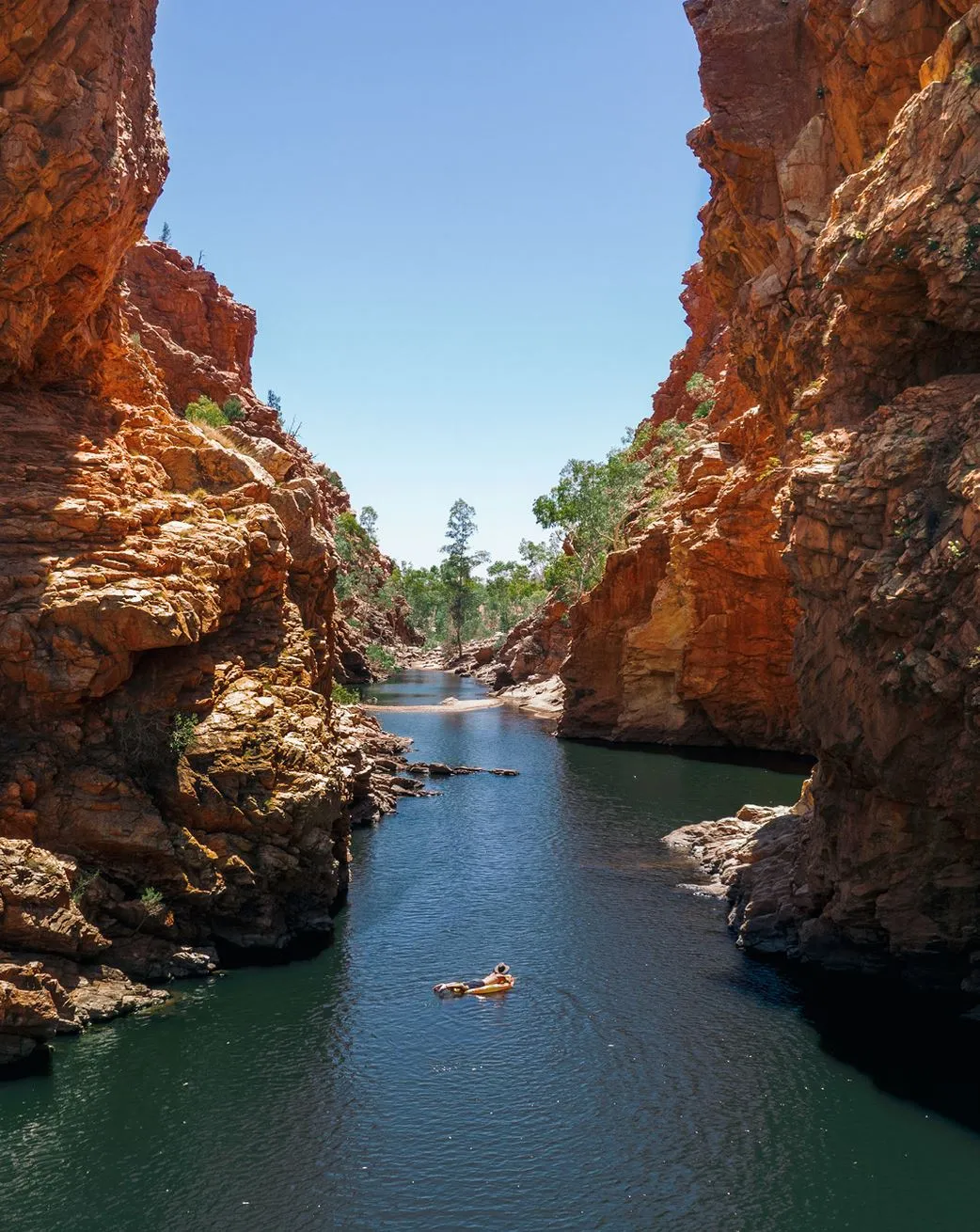
A few years back, I led a mixed group on a sunrise hike just west of Alice. By 9 am the surface temps were already getting up towards 45°C. One bloke’s boots literally started melting – the soles were just turning to mush. We grabbed a swim at Ellery Creek Big Hole and called it a day when the air hit 46°C.
Just that week I’d had a group on a 4-day Alice Springs Uluru Tour – doing it all by the book – walking at dawn, resting at midday and enjoying the sunset at Kata Tjuta. And you know what? They came back with a big smile on their face – not a single sunburn in sight. That’s the difference between planning and just plain ignoring the warnings.
The moral of the story? In the desert, brains are always better than bravery every single time.
Plan Smart Hike
Whether you’re solo hiking, joining Uluru Ayers Rock Tours or a guided trek, you gotta plan like a local.
1. Time It Right
- Start early (before sunrise) and finish by 10 am.
- Avoid long trails in summer; stick to shaded day walks.
- Check BOM for heat and UV levels.
2. Gear for the Desert
- 4–6 litres of water per person per day, minimum.
- Pack electrolytes — plain water won’t cut it.
- Wide-brim hat, SPF50+, long sleeves.
- In winter, bring thermal underwear and insulated sleeping bags — the cold nights are brutal.
3. Know Your Route
- GPS can fail in narrow valleys or creek lines.
- Register your trek with NT Parks & Wildlife.
- Bring a PLB (Personal Locator Beacon) — mobile coverage drops out fast outside of town.
4. Respect Country
- Alice Springs is on Arrernte Country, and many gorges and rock formations are sacred. Follow signs, stay on tracks and walk with respect — this land is older than time itself.
Wildlife, Weather and Desert Skies
The desert might sound harsh, but it’s full of life if you know where to look. In winter, bird watching is world-class — from zebra finches flitting through creek lines to wedge-tailed eagles soaring the endless sky.
You’ll see roos at dusk, lizards mid-morning and maybe even a perentie if you’re lucky. The erratic nature of rainfall means the landscape changes fast — flower enthusiasts chase wild colour after rare rain and photographers chase the night sky once the heat drops.
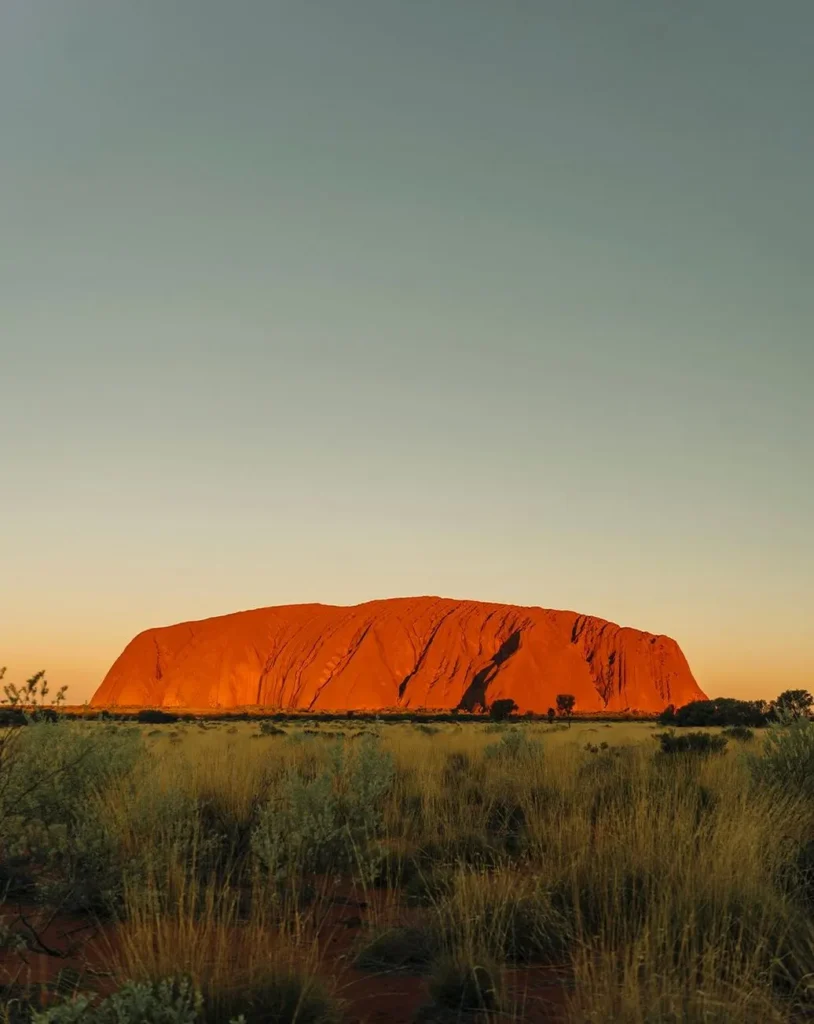
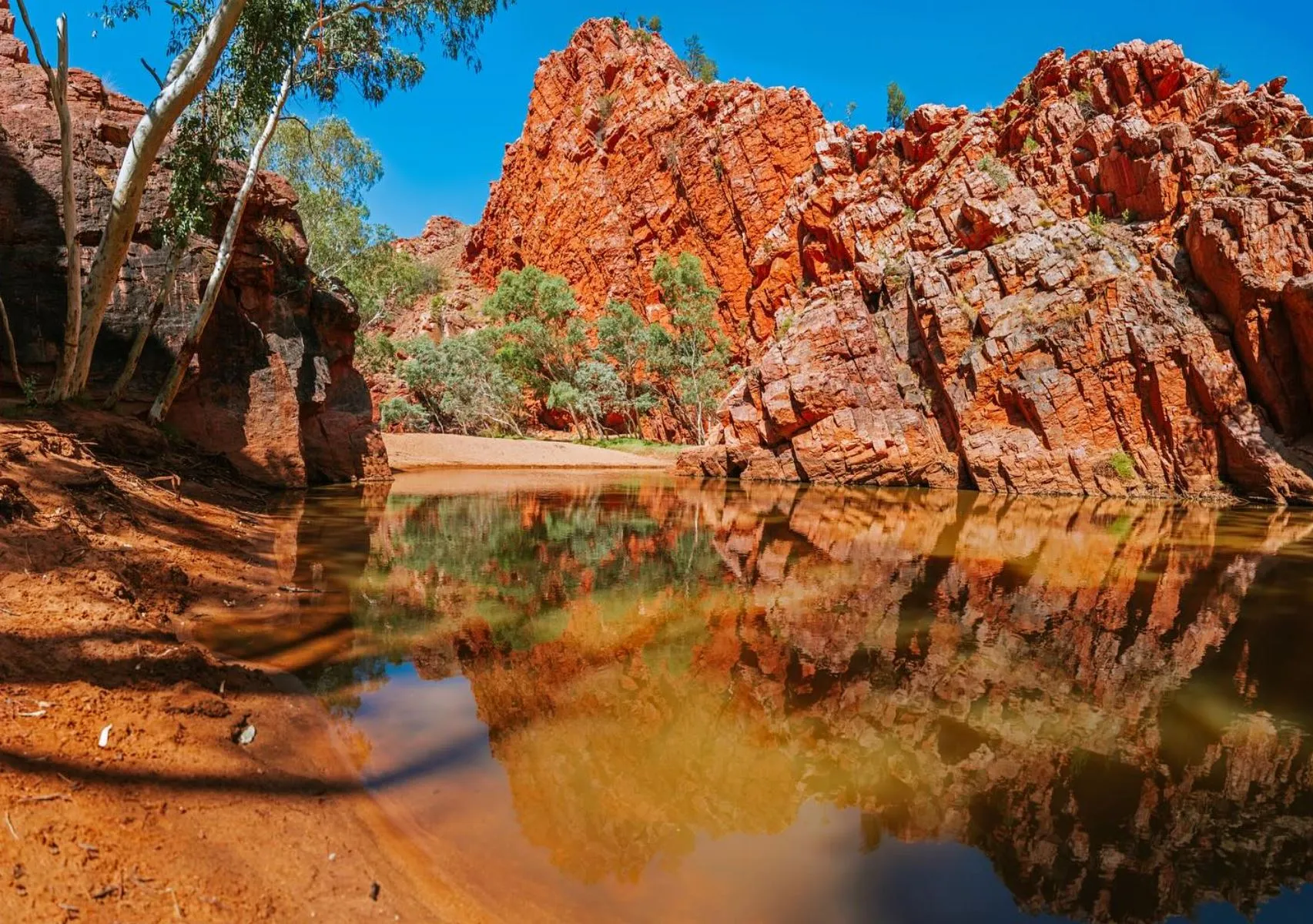
If you’re on an Uluru Ayers Rock Tour or the 4-Day Alice Springs Uluru Tour, keep your eyes open. Desert beauty is hiding in plain sight — from glowing spinifex at sunrise to mirror still waterholes after exciting wet crossings.
Common Heat Myths (and Why They’ll Get You in Trouble)
Myth 1: “It’s a dry heat — you won’t sweat much.”
You’ll sweat plenty — it just evaporates faster. That’s why dehydration creeps in unnoticed.
Myth 2: “The gorges are cool all day.”
Not quite. They trap heat — by mid-morning, it’s like hiking inside an oven.
Myth 3: “Locals hike in summer, so it’s fine.”
Locals stay home. Or they work nights. Or they join Uluru Ayers Rock Tours in winter, like everyone else.
Myth 4: “You can always find shade.”
Not in the open desert. The sun’s too direct, the rocks too reflective.
Myth 5: “A hat and a bottle of water are enough.”
You’ll need litres, not bottles — plus electrolytes, navigation gear and common sense.
Quick Checklist for Safe Desert Hiking
Before You Go:
- Check BOM forecasts for daily temperatures and fire risk.
- Pack 6L+ water, hat, sunscreen and layered clothing.
- Tell someone your route.
During the Hike:
- Rest hourly in shaded spots.
- Avoid wet crossings unless you know the water depth.
- Drink before you’re thirsty.
At Camp:
- Use insulated sleeping bags and thermal underwear in winter.
- Keep food sealed — dingoes are smart.
- Sit back under the desert skies and take in the endless sky.
What to Do if the Heat Catches You
Even prepared travellers can get caught out. Heat exhaustion turns to heatstroke fast.
Watch For:
- Dizziness, nausea and confusion.
- Rapid heartbeat, no sweating.
- Dry mouth or headache.
Act Fast:
- Find shade immediately.
- Loosen clothing, cool the body with a wet fabric.
- Sip small amounts of water often.
- Call 000 or trigger your PLB if symptoms worsen.
Rescues here take time — even during peak tourist season. Prevention will always be your best mate.
The Soul of the Desert — Nights, Silence, and Endless Sky
There’s something about the stillness after a hot day that gets to you. The cold nights, the desert skies, the Milky Way above — you can’t help but feel small out here.
That’s the reward for waiting. If you walk smart, time it right and pack right, the Outback will reward you big time. It’s not about conquering it — it’s about connecting to it.
When you’re sitting by a dying campfire on your 4 Day Alice Springs Uluru Tour, watching the stars spill across the night sky, you’ll get it. You’ll understand why this place, tough as it is, gets under people’s skin and never lets go.
Final Thoughts — Respect the Heat, Reap the Rewards
So, which months are too hot to hike around Alice Springs, and when does the heat danger peak? Easy answer: November to March are the danger months — the land is crazy hot, surface temperatures are extreme and wet crossings are unpredictable.
April to September is the desert’s best — blue skies, stunning views and comfortable hiking conditions that make every km worth it.
Whether you’re solo, with Uluru Ayers Rock Tours or on a 4-Day Alice Springs Uluru Tour, do it right: plan around the arid climate, pack smart and respect the land that’s older than memory.
FAQ
When is the Best Time to Hike Near Alice Springs?
May to August, the winter months. Warm days, cool nights and perfect hiking conditions across Central Australia.
What Do I Need for Cold Desert Nights?
Thermal underwear, an insulated sleeping bag and a beanie. Temperatures can drop below zero in July.
Can I Hike If I’m on a Tour?
Yes. Tours like the 4-Day Alice Springs Uluru Tour include short hikes, scenic stops and refreshing swims without the midday heat risk.
How Bad is UV in Summer?
Extremely. Always wear SPF50+, sunglasses and long sleeves — the UV here is some of the highest in the world.
What Else Can I Do Besides Hiking?
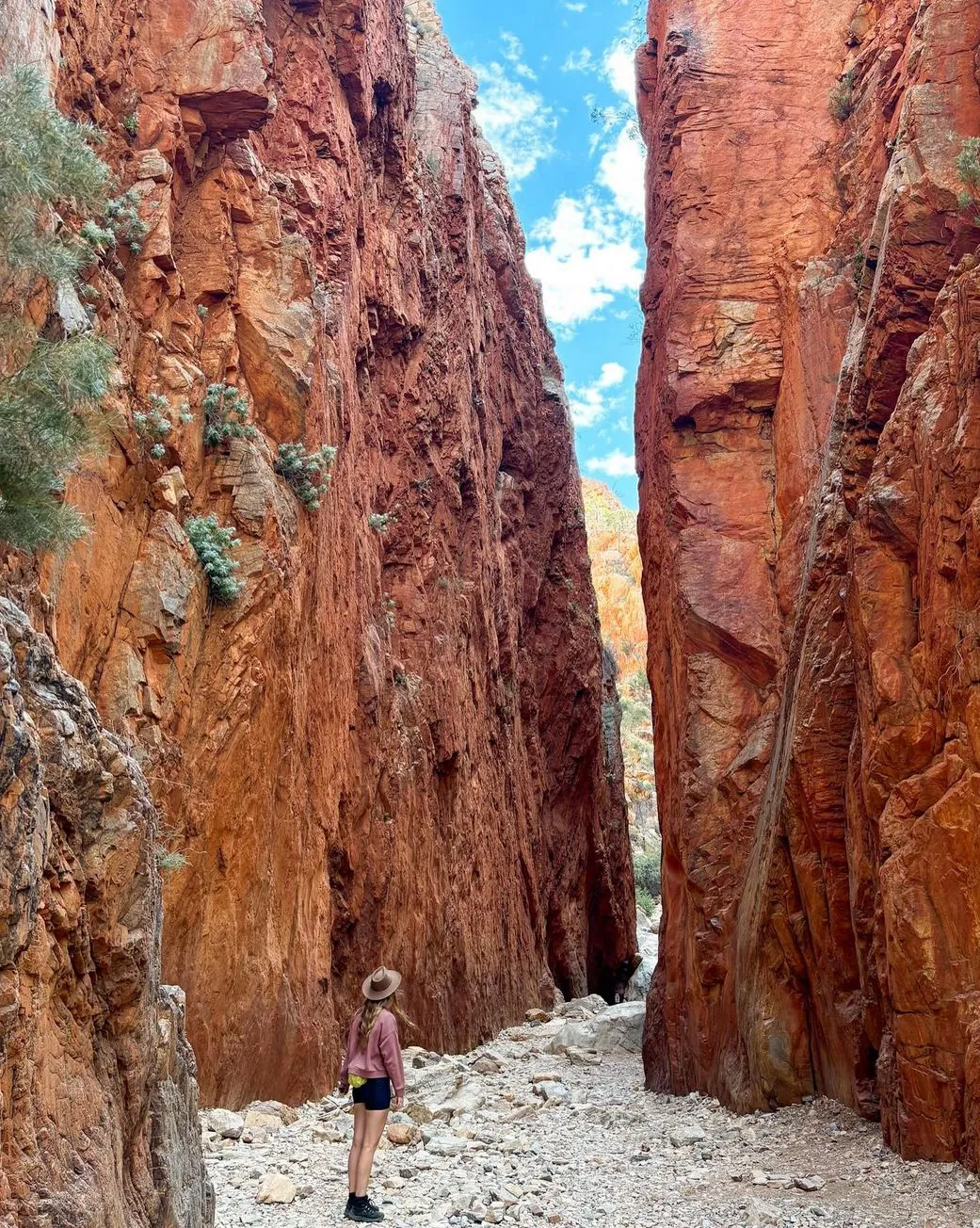
Birdwatching, day trips to Standley Chasm, or join Uluru Ayers Rock Tours to explore the monoliths and gorges safely.