Most travellers who ask me where to find the Brightest Coral Gardens usually expect me to point to a single reef in the Great Barrier Reef Marine Park and call it “the spot”. Truth is, the Great Barrier Reef isn’t a one-size-fits-all postcard — it’s a living giant of interconnected coral reefs, stretching 2,300 kilometres, pulsing with tides, seasons, and the odd cranky current that’ll try to yank your fins off.
Contents
- 1 How To Pick A Reef That Still Glows With Colour
- 2 Why Ribbon Reefs Keep Stealing The Show
- 3 Lady Elliot Island: Coral Carpet Without The Crowds
- 4 Tracking Colour Through Seasons And Sea Conditions
- 5 The Outer reef Vs. Inner reefs: What Actually Changes Colour?
- 6 Three Underwater Circuits Worth Planning Around
- 7 Gear, Timing, And Local Hacks To Bring Coral To Life
- 8 Checklist For Seeing Bright Coral Without The Fuss
- 9 FAQ
How To Pick A Reef That Still Glows With Colour
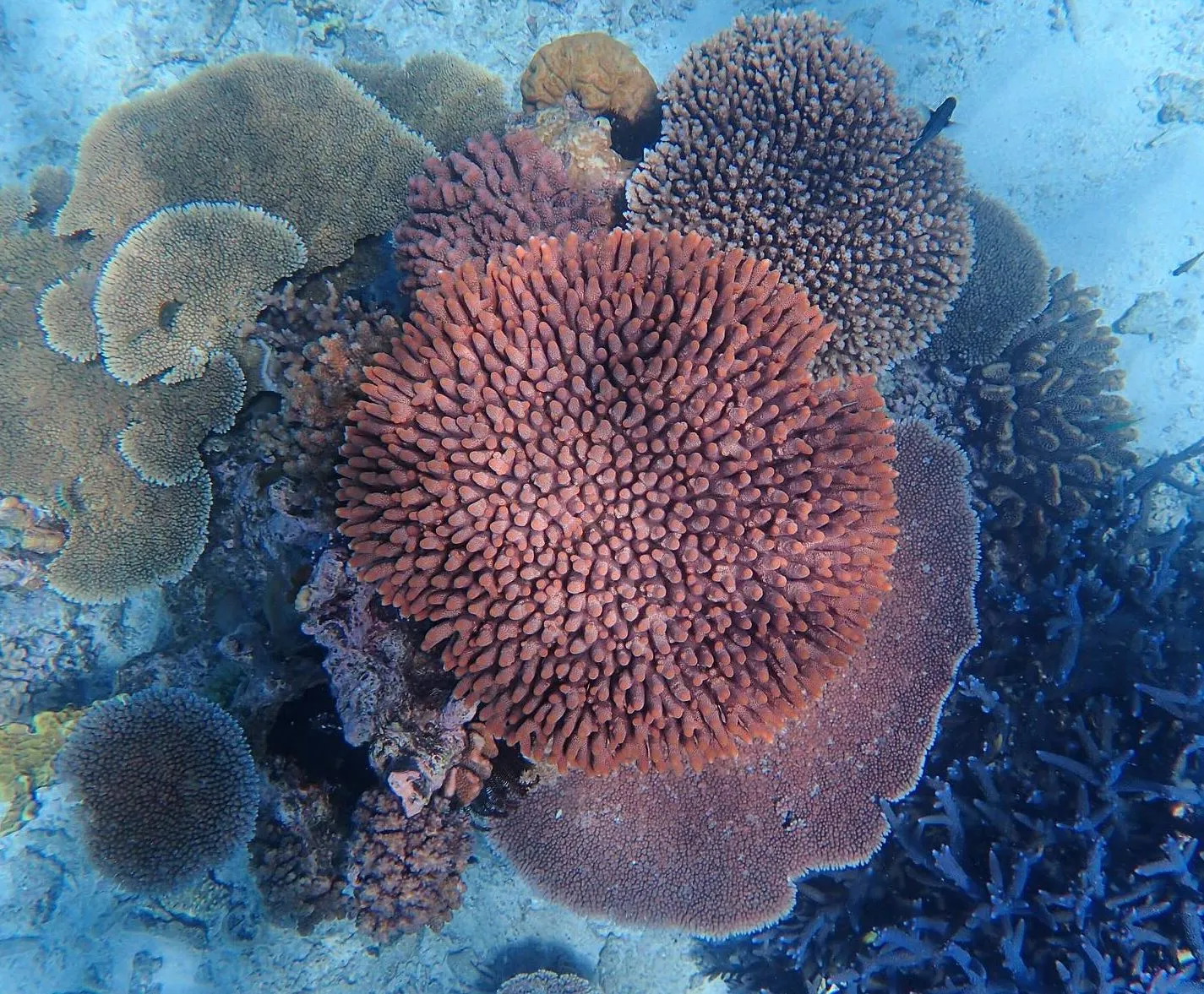
Every reef has its personality, but the coral reef gardens that really pop share a few traits. They sit in clean, moving water, get decent sunlight, and are far enough offshore to avoid sediment that can dull coral over time.
Think of it like hunting for a good campsite — you want airflow, the proper aspect, and fewer mozzies than a January night in the NT. The same goes for coral: conditions matter more than hype, especially when marine heatwave years can change things quickly.
Why Ribbon Reefs Keep Stealing The Show
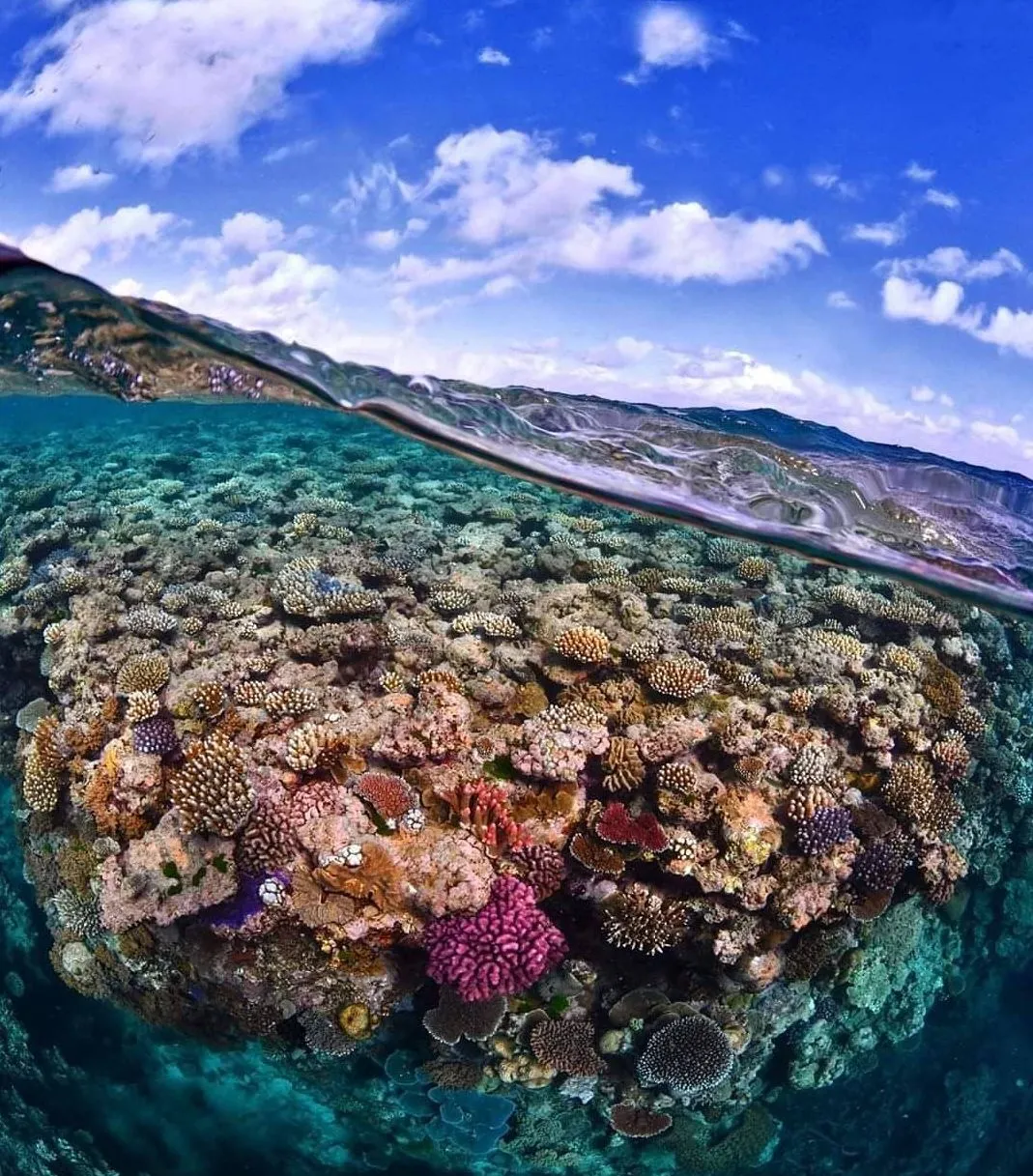
The Ribbon Reefs, northeast of Cairns and running toward Lizard Island, are magnets for bright coral because they sit right on the edge of the continental shelf. Clear water spills up from deep Coral Sea channels, feeding soft corals, hard corals, table corals, and everything in between.
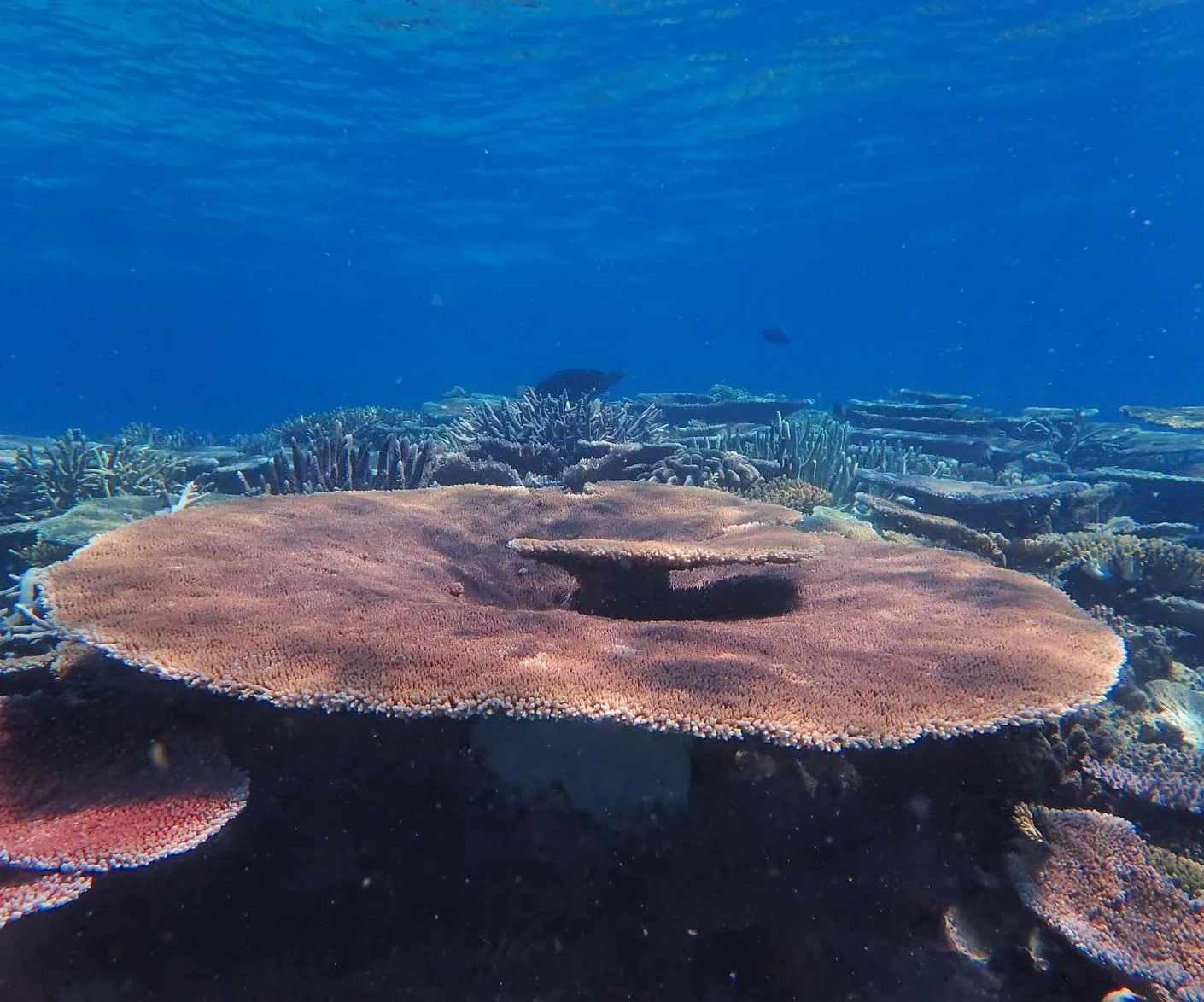
When I first dived Ribbon Reef 10, I remember dropping in and thinking the place looked like someone spilled a painter’s kit. Big plates, neon soft corals, stacked coral plates, towering coral bommies, and enough curious juvenile fish to distract even the crankiest divemaster — not to mention the occasional marine angelfish zipping through a biodiverse marine system.
Best for:
- Advanced snorkellers and scuba diving fans
- Liveaboard travellers chasing multi-day colour
- Folks chasing visibility and that “floating above a garden” feeling
- Dwarf minke whale interactions in June–July (ethics and permits required)
Lady Elliot Island: Coral Carpet Without The Crowds
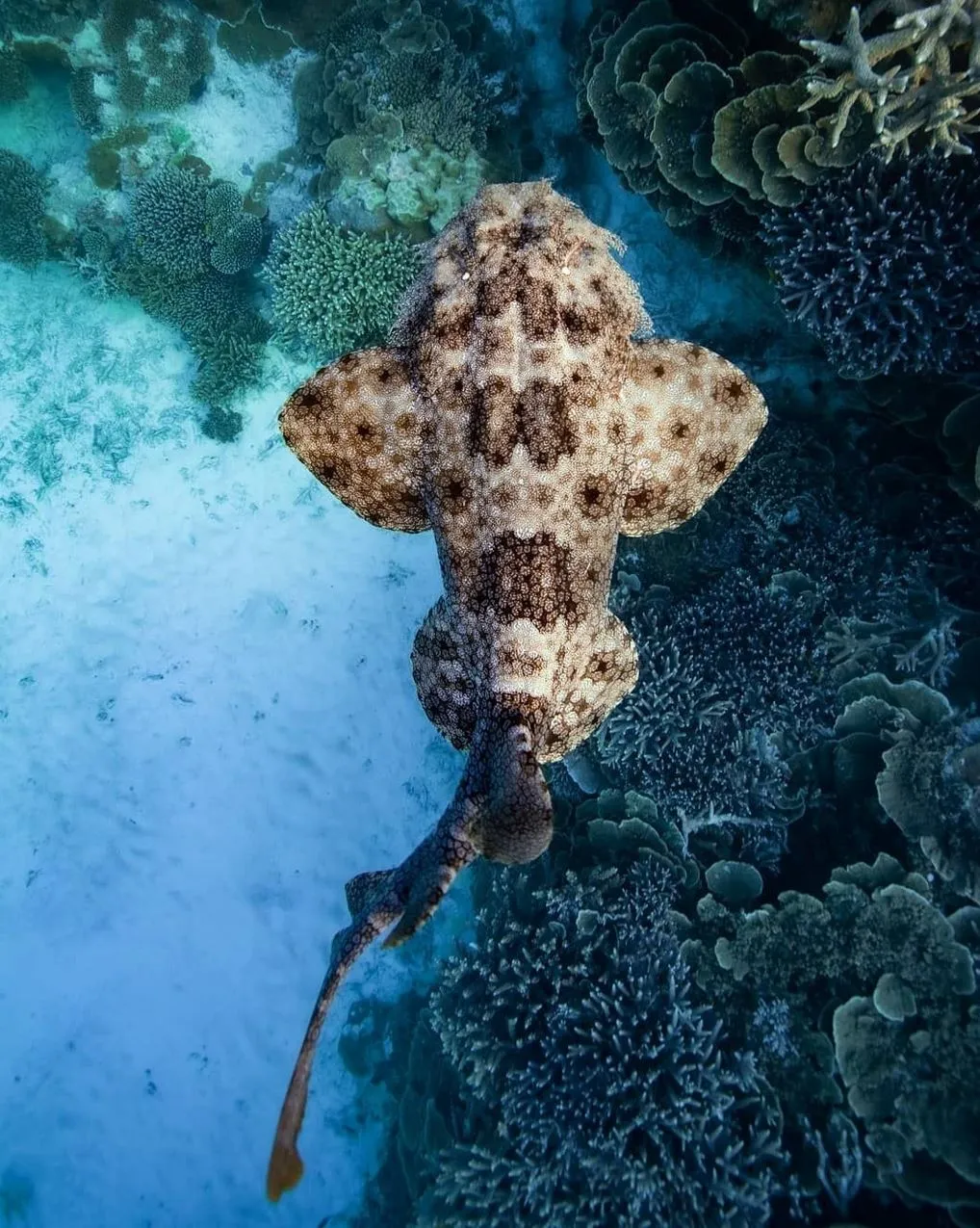
Down in the Southern Great Barrier Reef, Lady Elliot Island is a coral cay that’s been eco-managed for decades and remains one of the healthiest marine protected areas in Australia. The lagoon and western side offer some of the clearest, brightest coral growth you’ll find anywhere without needing liveaboard diving trips.
Suppose you’ve ever wanted a gentle snorkel where turtles laze past like they own the place. In that case, this is your spot — a thriving coral colony built by countless coral animal polyps laying down coral skeletons over centuries.
Best for:
- Families and first-time snorkellers
- Eco-minded travellers
- Manta ray lovers (peak May–August)
Tracking Colour Through Seasons And Sea Conditions
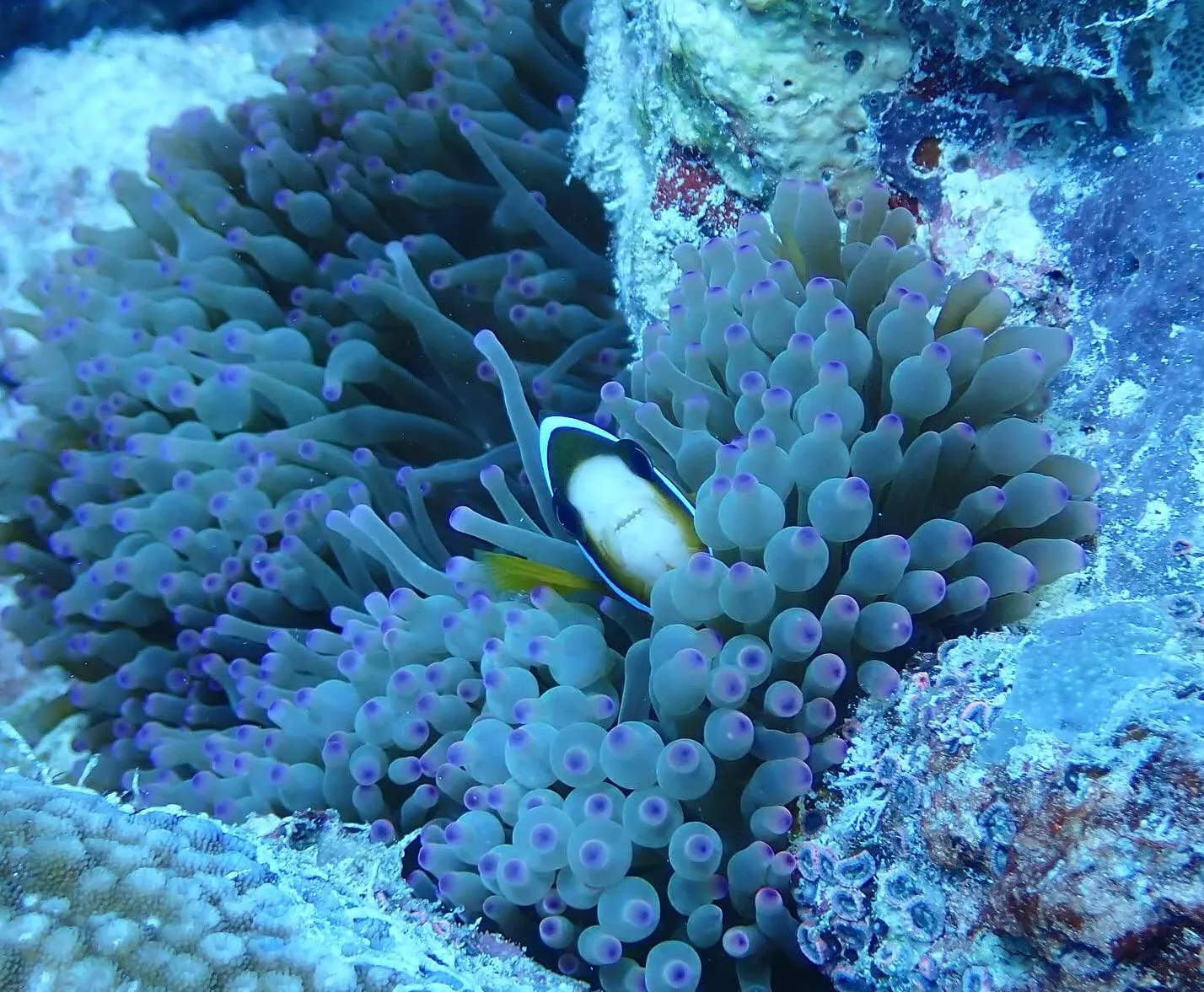
Coral doesn’t keep the same glow all year. Its mood shifts with water temperature, tides, storms, and even moon cycles. You don’t need a degree in marine science — just a basic understanding of the reef’s yearly rhythm.
Dry Season (May–October): Peak Visibility, Happy Travellers
Cooler water and steady southeasterly trade winds bring superb visibility from Cairns to Lizard Island. Coral appears brighter because there’s less plankton clouding the water column.
The dry is also when most reef operators — including our team at Great Barrier Reef Tours — run the broadest range of departures, often alongside visiting marine biologists doing fieldwork.
Comfort perks:
- Calmer seas
- Lower humidity
- Fewer stingers
- More confident snorkellers in the water
Wet Season (November–April): Colour Beneath Moody Skies
Don’t write off the wet just yet. Yes, there’s rain, and yes, the sea can get rough as guts, but outer reefs often explode with marine life thanks to warmer water. Coral feeding ramps up, fish activity spikes, and visibility can still be excellent between weather systems.
If you’re croc-wise, storm-wise, and ready to roll with closures, it can be a cracker time to see coral walls, bommies, and colonies at their most energetic — though operators keep a close eye on coral bleaching risks.
The Outer reef Vs. Inner reefs: What Actually Changes Colour?

Inner reefs closer to the Queensland coast tend to see more runoff during the wet season, which can temporarily dull coral. Outer reef systems — 30–60 kilometres offshore — sit in clear oceanic water and hold stronger colour year-round.
Here’s a practical comparison to help you plan:
Coral Garden Conditions: Inner Vs. Outer Reef
| Feature | Inner Reef (Green Island, Low Isles) | Outer Reef (Agincourt, Ribbon, Hastings) |
|---|---|---|
| Visibility | 5–15 metres | 15–30+ metres |
| Coral Colour Intensity | Moderate, varies with rainfall | Consistently strong, vibrant |
| Marine Traffic | Higher | Lower |
| Access | Shorter trips | Full-day or liveaboard diving trips |
| Ideal For | Families, beginners | Colour chasers, divers, photographers |
Visibility figures based on long-term operator logs and GBRMPA environmental reports (statistical ranges are approximate and influenced by tides, storms, seasonal runoff, and any marine heatwave events).
Three Underwater Circuits Worth Planning Around
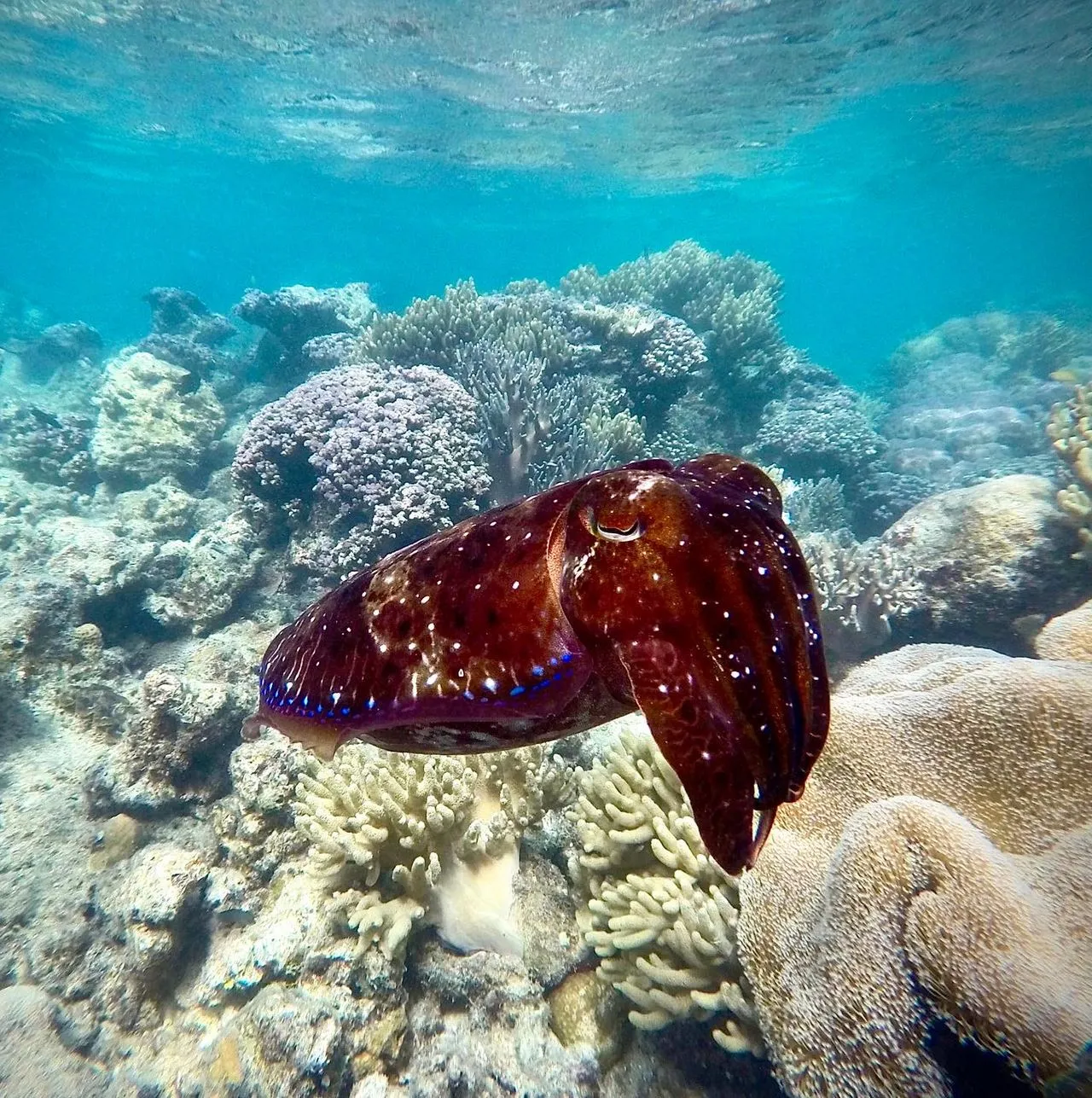
These routes consistently deliver the richest coral colour, whether you’re snorkelling or diving.
1. Agincourt Reef (Port Douglas Launch)
Agincourt’s outer edges form sweeping coral walls and ledges. Think branching corals, giant plates, coral bommies, stingrays cruising like they’re late for dinner, and the sort of water clarity photographers lose their minds over.
Port Douglas also gives you a shorter steam to the reef, meaning less time dealing with swell and more time floating over colour.
2. Ribbon Reef 3–10 (Liveaboard Territory)
This is where the serious colour-chasers end up. A few of these reefs are known for their sheer coral density — walls stacked with soft corals in purples, yellows, and the odd fluorescent show-off that looks artificial at first glance.
If you’re up for multi-day travel, the pay-off is enormous, especially with diving experts onboard to explain the coral species and behaviour you’re seeing.
3. Lady Musgrave Island Lagoon
A blue lagoon wrapped in a coral circle — sheltered, calm, and bright enough that even first-timers feel like pros.
On calm days, the lagoon turns flat as a pancake, giving snorkellers a clear shot at coral reef gardens usually reserved for divers.
Over the years running reef trips with Great Barrier Reef Tour, I’ve learnt that the brightest coral isn’t always where the maps say. It’s where light, water movement, and reef health fall into perfect rhythm — and where you rock up prepared, curious, and croc-wise among some of the richest marine biodiversity on Earth.
Gear, Timing, And Local Hacks To Bring Coral To Life
You can visit a brilliant reef on a bad day and barely see its colour. A few wise choices make all the difference.
Wear A Lycra suit — Even In Winter
It’s not a fashion statement; it’s practical reef etiquette. Stingers, sun, and ocean rub all take their toll. Lycra suits also help you float, keeping your fins off delicate coral colonies and reducing accidental coral debris.
Time Your Trip With Tides
Rising tides often bring clearer ocean water into lagoons and inner reefs. Dropping tides can drag sediment and reduce clarity.
Choose Operators Who Respect Traditional Owner Guidelines
Many reefs sit on or near Sea Country with deep cultural significance and strict Marine Park zoning rules. Operators who follow Indigenous-led briefings, access limits, and no-go requests help protect these ecosystems — and usually know the best coral gardens because they’re listening to the right voices.
Bring An Overnight Bag If You Want The Full Colour Show
Liveaboards give you early-morning and late-afternoon snorkels — times when coral colour turns richer in soft, angled light.
Checklist For Seeing Bright Coral Without The Fuss
This quick kit list keeps your day smooth and your coral-watching sharp.
Bring:
- Mask that fits
- Reef-safe sunscreen
- Dry bag
- Seasickness tablets
- Lycra suit or rashie
Know:
- Reef conditions shift with the wind
- Coral can look dull on cloudy days
- Light angles matter
- Follow the crew’s briefing
FAQ
Does deeper water mean brighter coral?
Not necessarily. Coral needs light, so the brightest stuff usually grows between 2–15 metres. Deeper reefs hold excellent structure, including deep-sea corals, but the colours appear more muted.
Are the brightest gardens always far offshore?
Outer reefs are more consistent, but some inner reef pockets still shine in the dry when runoff settles.
Is coral bleaching permanent?
No. Some corals recover if conditions improve, though recovery time varies across coral species.
Can beginners safely explore these coral gardens?
Absolutely — especially around Lady Elliot Island, Lady Musgrave, and Low Isles.
Are stingers an issue when snorkelling coral gardens?
During the wet, yes. Stinger suits keep you covered and confident.