Driveway cleaning is important. Whether you have concrete, brick or paver driveways each requires special care to keep it looking good and structurally sound. From oil stains to stubborn stains proper cleaning methods will extend the life of your driveway and your homes curb appeal.
This guide covers methods for driveway cleaning with different surfaces: concrete, brick, and pavers.

Contents
Why Driveway Cleaning is Important
Driveways are exposed to the elements and vehicle traffic 24/7. Oil stains, grease stains, tyre marks and even animal faeces can all add up to dirt and grime on your driveway surface. Regular maintenance using the right cleaning method for each surface type will prevent permanent damage and costly repairs.
A clean driveway not only looks good but also creates a safer environment by removing slippery substances and keeping outdoor pavers or tiles intact.

Driveway Materials
Driveways can be made from many different materials, each with its own maintenance requirements. Concrete driveways, brick surfaces and concrete pavers are the most popular due to their durability and look. Each material requires a specific cleaning solution and method to perform well.
Concrete Driveways: Cleaning and Maintenance
Concrete driveways are a popular choice for residential and commercial projects due to their durability, affordability and the many finishes available. Concrete surfaces are not stain proof. Oil stains, rust stains, grease stains and tire marks can all detract from the look of your driveway. Proper cleaning will get the surface back to its original state.
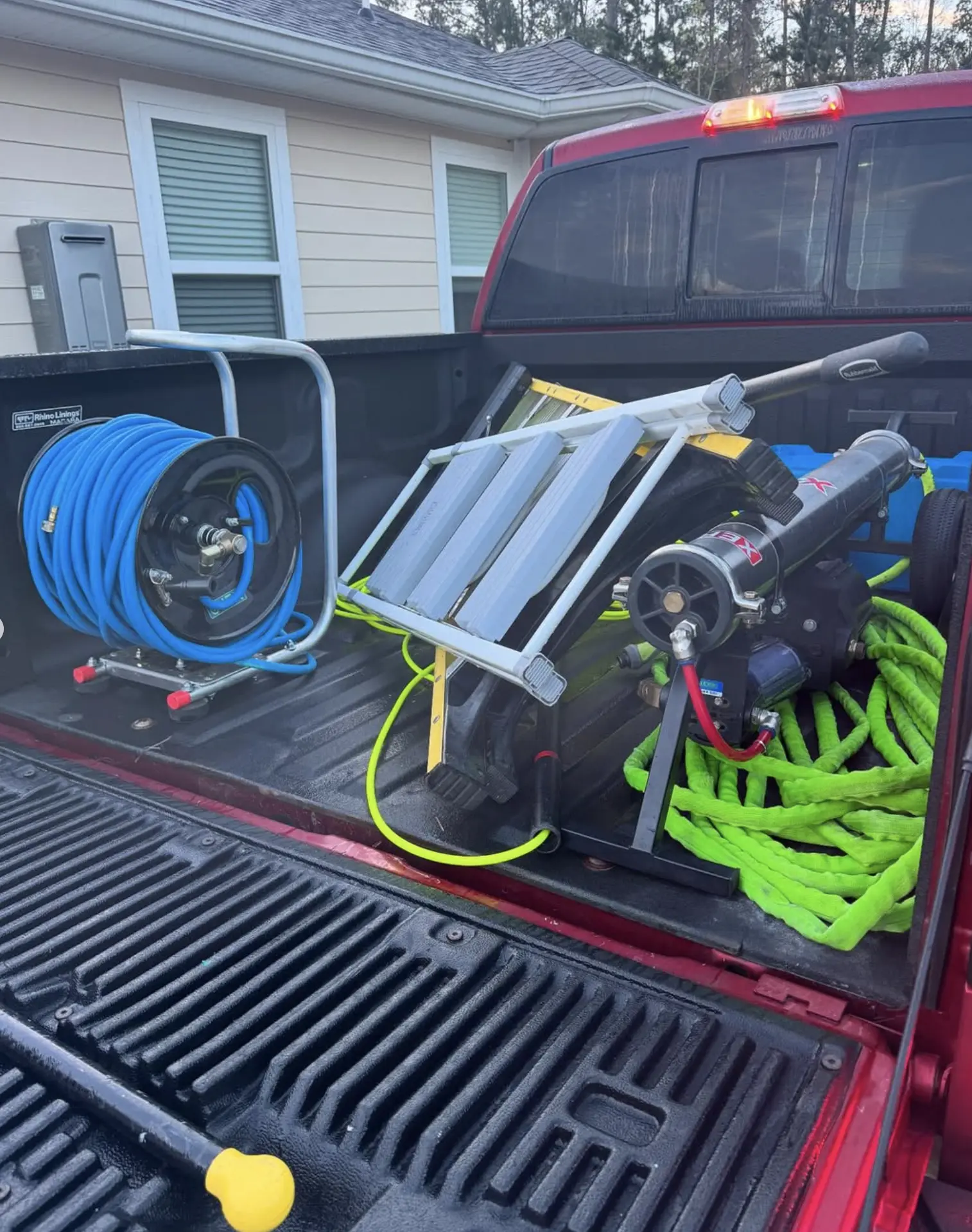
Concrete Driveway Cleaning Process
- Remove Loose Debris: Start by sweeping away loose debris, leaves, dirt and stones. This will stop any debris from getting ground into the surface during the clean.
- Prepare the Surface: Before applying any cleaner, wet the whole driveway with clean water. Wetting the surface will help the cleaner get into stubborn stains without damaging the concrete.
- Use a Concrete Cleaner: For a proper driveway clean use a concrete cleaner that is designed to remove tough stains like oil and grease. There are many products out there that break down these substances making them easy to wash away.
- Pressure Washer for Tough Stains: A pressure washer can be a great tool for concrete driveway cleaning. Use clean water in the pressure washer to blast away tough stains like rust or grease. But don’t use harsh chemicals as they can etch or discolor the concrete surface.
- Clean Water Rinse: After applying the cleaner use clean water to rinse the driveway. Make sure all cleaning solution is washed away as leaving chemicals on the surface can cause future stains.
- Seal the Surface: Once the concrete driveway is dry consider applying a sealer. This will add a layer of protection to the driveway and prevent future stains from penetrating the surface.
Concrete Driveway Cleaning Challenges
- Tough Stains: Oil and grease stains can penetrate deep into porous concrete, making them harder to remove. A stiff brush with a concrete cleaner will help lift these tough stains.
- Rust Stains: Rust from tools or vehicles will leave unsightly marks on concrete. A specialized concrete cleaner for rust removal is the best way to go.
- Organic Stains: Leaves, moss and algae will leave organic stains on the concrete surface. These stains will require alkaline soap or an eco-friendly cleaner.
Brick Driveways: Cleaning and Maintenance
Brick driveways are a classic choice for those who want a rustic look. Brick surfaces come in many colors and styles so they fit with most architectural styles. But brick is more porous than concrete so it can absorb moisture and stains easier. Regular cleaning is required to keep your brick driveway looking and structurally sound.
Brick Driveway Cleaning Process
- Sweep the Surface: Start by removing loose debris like leaves, dirt and sand with a broom or leaf blower. This prevents dirt from getting ground into the bricks during the cleaning process.
- Low Pressure Washing: Unlike concrete, brick is a more delicate material and can get damaged by high pressure water. Use a power washer on low setting to clean the surface of the bricks without chipping or cracking them. Don’t use harsh chemicals as they can damage the bricks or the mortar between them.
- Use a Scrub Brush: For tougher stains like oil stains or grease stains, a scrub brush and a mild cleaning solution can work magic. Just use gentle pressure to avoid damaging the brick veneer.
- Organic Stain Removal: Organic stains from moss or algae are common on brick surfaces. A solution of vinegar and water can lift these stains without damaging the bricks.
- Rinse with Clean Water: After cleaning, rinse the driveway thoroughly with clean water to remove any remaining cleaning solution or dirt.
- Apply Sealant: Just like concrete, sealing the bricks after cleaning will prevent future staining and make future maintenance easier.
Maintenance for Brick Driveways
Regular cleaning is key to brick surfaces. Remove weeds that can grow between the bricks and any organic material that can cause staining over time.
Paver Driveways: Tips for Cleaning
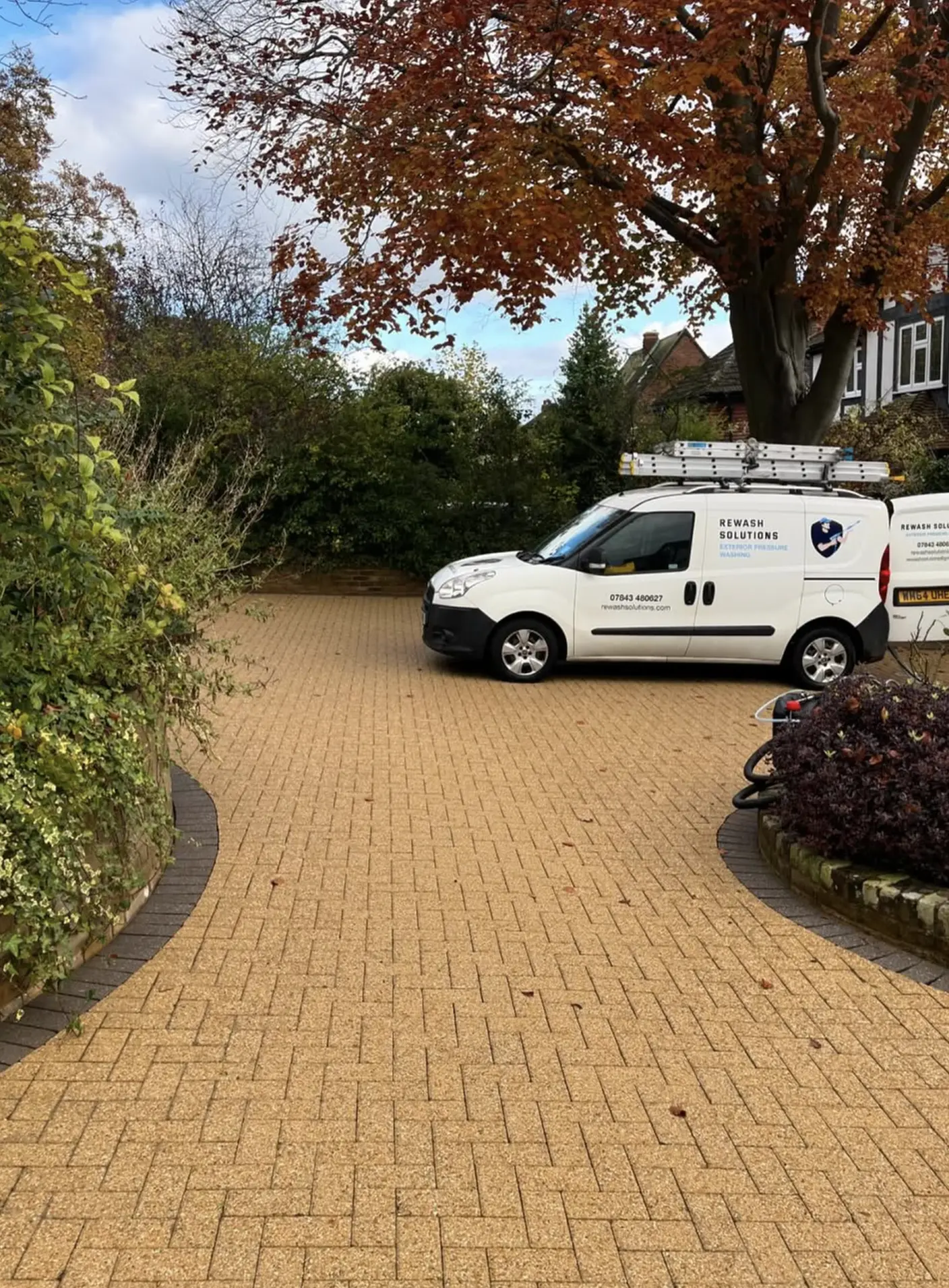
Concrete pavers, outdoor pavers and natural stone pavers are commonly used in driveways for their look and ease of installation. Paver driveways can be made from a variety of materials, including natural stone and concrete bricks, so there are many colours and patterns to choose from to match your home.
Paver Driveway Cleaning Process
- Start with Loose Debris Removal: Sweep away loose debris like leaves and dirt from the surface of the pavers to make cleaning easier.
- Pressure Washer for Concrete Pavers: Use a power washer on medium setting to clean concrete pavers. Don’t use harsh chemicals like muriatic acid as they can damage the colour and structure of the pavers.
- Focus on Tough Stains: For grease stains or oil stains, use a paver cleaning solution. Scrub with a stiff brush to lift the stains without damaging the pavers.
- Apply Polymeric Sand: After cleaning, reapply polymeric sand to the joints between the pavers to stabilise them and prevent weed growth.
- Seal the Pavers: Sealing your paver driveway will maintain its look by protecting it from future staining and weathering.
Paver Driveway Problems
- Weed Growth: Paver driveways can grow weeds between the joints. Regular weed removal is required to keep the driveway clean.
- Shifting Pavers: Pavers can shift or become loose over time due to traffic or weather. Regular maintenance, including reapplying polymeric sand, will keep the pavers stable.

Professional Cleaners
While DIY cleaning can work, hiring professional cleaners for your driveway will give you better results, especially for larger driveways or commercial jobs. A professional service has access to a range of cleaning solutions, including pressure cleaning, Softwash Cleaning and specialized chemical cleaners for tough stains like rust and grease.
Professional cleaners can also do maintenance for you, including sealing services, so your driveway stays looking its best.
By following these tips for cleaning your driveway on different surfaces you can keep your driveway looking great. Whether you do it yourself or hire professional cleaners, keeping your driveway clean will look good for your property and prevent long term damage.
FAQ
Can I use a pressure washer on all driveway surfaces?
Yes you can use a pressure washer on concrete and paver driveways but be careful when using it on brick surfaces. Always use a low pressure setting for delicate materials like brick to avoid damage.
What is the best cleaning solution for oil stains on concrete driveways?
A concrete cleaner specifically for oil stains is the best. Combine with a stiff brush and pressure washing for deep cleaning.
How often should I clean my driveway?
You should clean your driveway at least once a year but more often if your driveway is high traffic, has grease stains or organic stains.
Do I need to seal after cleaning?
Yes, sealing is recommended for both concrete and paver driveways. Sealing protects the surface from stains, weather damage and vehicle traffic.
What’s the difference between Softwash Cleaning and pressure cleaning?
Softwash Cleaning uses low pressure water and specialized chemicals to clean surfaces, it’s ideal for delicate materials like brick and natural stone. Pressure cleaning is better for tough stains and larger concrete surfaces.