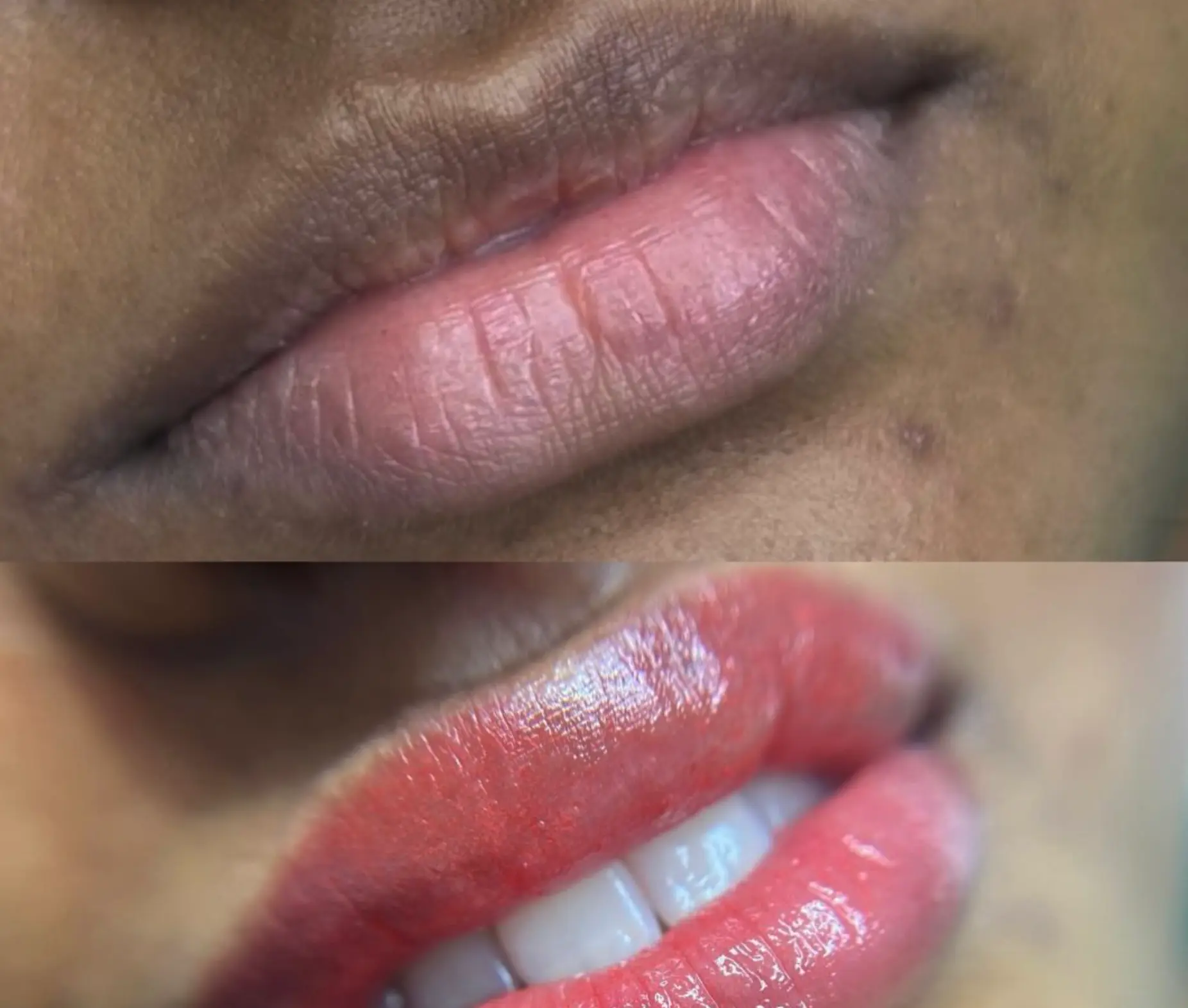
Lip neutralisation is a cosmetic procedure that can be a game changer for clients with dark, cool-toned or uneven lip tones looking to achieve a more balanced, blush-toned finish. But like any cosmetic lip tattoo treatment, it’s not one-size-fits-all. If you’re wondering what are the potential side effects of lip neutralisation?, you’re asking the right question — and it deserves a proper answer.
I’m Olha Po, a certified cosmetic tattoo artist and founder of Cosmetic Tattoo Melbourne Studio Face Figurati. I’ve worked with hundreds of clients to safely lighten and colour-correct melanin-rich lips through dark lip neutralization, and in this post I’ll walk you through the real risks, healing quirks and results you can expect after this semi-permanent tattoo treatment.
Contents
- 1 Why Do Some Lips React Differently?
- 2 What to Expect in the First Few Days
- 3 When Side Effects Are a Sign of Trouble
- 4 Rare But Possible Risks
- 5 Healing Timeline (What to Expect)
- 6 How We Minimise Risks at Face Figurati
- 7 Real Client Insight: “From Ashy to Rosy”
- 8 Lip Prep Tips to Avoid Unwanted Reactions
- 9 Is it Safe for All Skin Types?
- 10 Final Thoughts
- 11 FAQ
Why Do Some Lips React Differently?
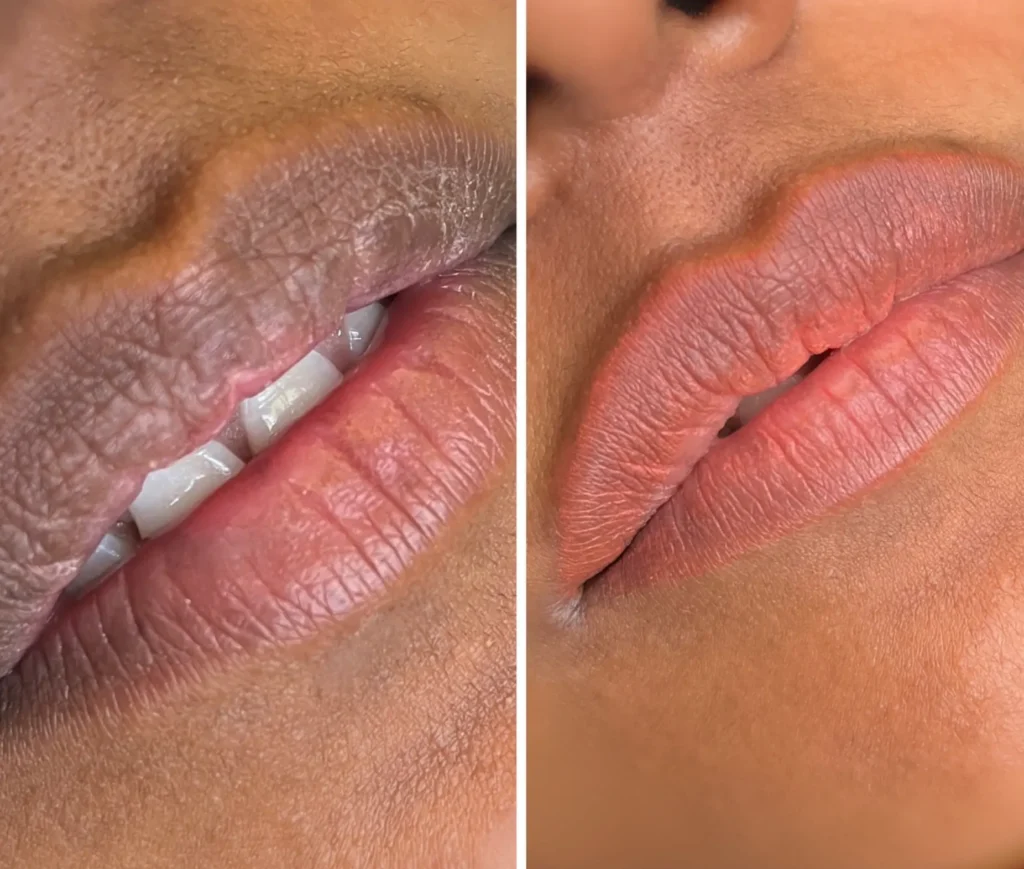
Not all lips behave the same way during healing. Darker lips, lips with prior trauma or those prone to hyperpigmentation can react with more sensitivity or melanin reactivity. Understanding these factors helps set realistic expectations.
- Melanin-rich lips may darken before they lighten as part of the healing process.
- Post-inflammatory hyperpigmentation (PIH) is a possible side effect for clients with deeper skin tones.
- Over-saturation or incorrect pigment colours can cause uneven healing or cool tones.
This is why experience matters. At Cosmetic Tattoo Melbourne Studio Face Figurati we assess not just your lip tone but your skin’s undertone, history of pigmentation and how your lips are likely to respond over a series of sessions using hypoallergenic pigments and colour-correcting pigment blends.
What to Expect in the First Few Days
Every tattoo triggers a healing response and the lips are especially sensitive. Here’s what you might experience in the first 5 days:
- Swelling (especially in the first 24 hours)
- Redness and tightness
- Light bruising
- Slight itching or tingling as the skin starts to regenerate
These symptoms are generally short-lived and manageable with proper aftercare. We always provide a healing lip balm and aftercare guide at your appointment.
When Side Effects Are a Sign of Trouble
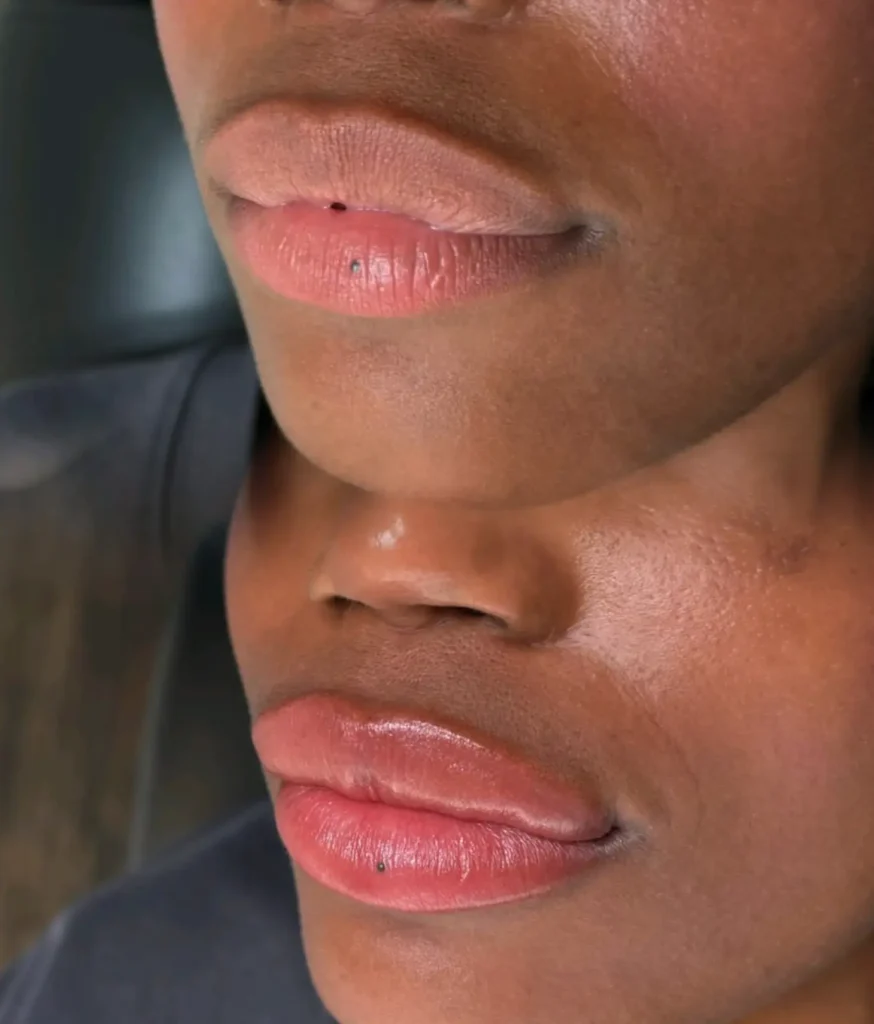
There’s normal healing discomfort and then there’s a red flag. Be aware of symptoms that may require further support:
- Pain that gets worse over time
- Oozing or yellow crusts (infection)
- Swelling beyond 48 hours
- Cold sore outbreaks (common in clients with a history of HSV-1)
I always recommend a preventative antiviral prescription before treatment if you’ve had cold sores before — better safe than sorry.
Rare But Possible Risks
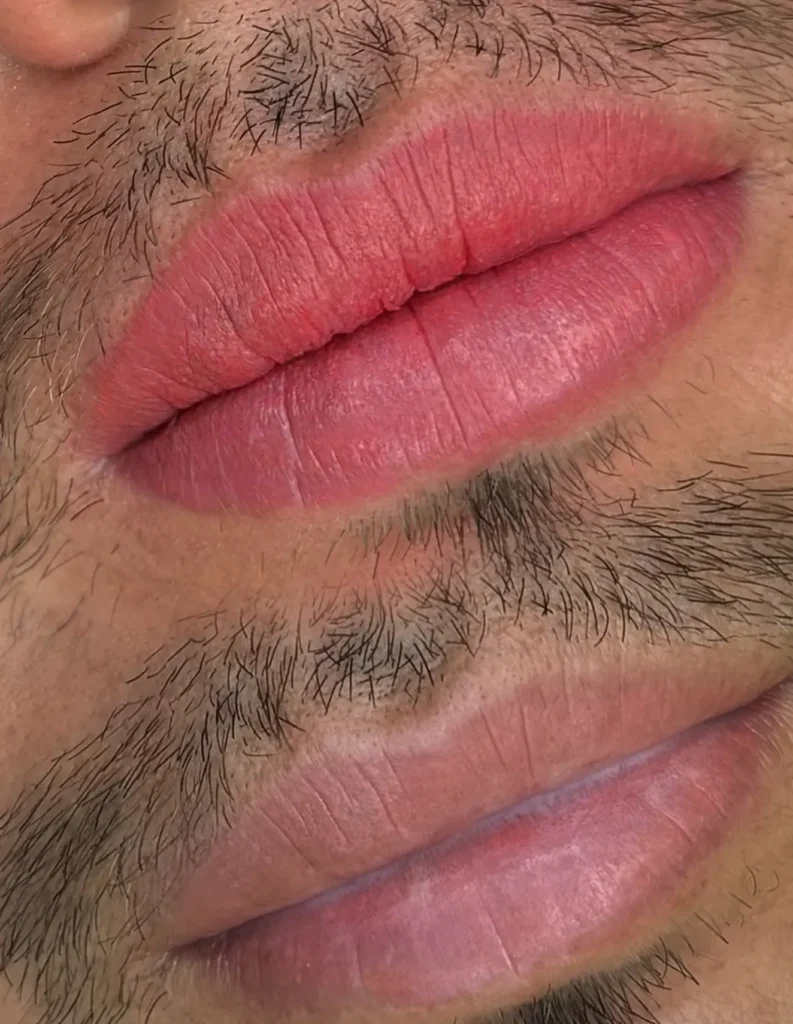
While rare, the following risks can occur, especially if aftercare isn’t followed or treatment is performed by an inexperienced artist:
- Uneven colour retention requiring multiple corrections
- Pigment migration or scarring (very rare but possible if the skin is overworked)
- Hypopigmentation patches (where the skin fails to hold pigment evenly)
Here’s the truth: lip neutralisation is not a one-and-done cosmetic procedure. It typically takes 2-3 sessions spaced several weeks apart. That’s how we safely build up lip colour without shocking the skin.
At Cosmetic Tattoo Melbourne Studio Face Figurati, we use a conservative, low-impact approach to lip neutralisation so your skin stays healthy while we achieve lasting results.
Healing Timeline (What to Expect)
Here’s a rough idea of what healing can look like after your first session:
| Day | What You Might Notice |
|---|---|
| 1 | Swelling, tenderness, lips look darker or bolder than expected |
| 2-3 | Flaking may begin; lips may look patchy or dull |
| 4-7 | The top layer flakes off; lips look lighter than before |
| Week 2-3 | Pigment begins to resurface and settle |
| Week 6-8 | Touch-up session performed for colour refinement |
Not a quick fix but the long-term results can be amazing if done with care.
How We Minimise Risks at Face Figurati
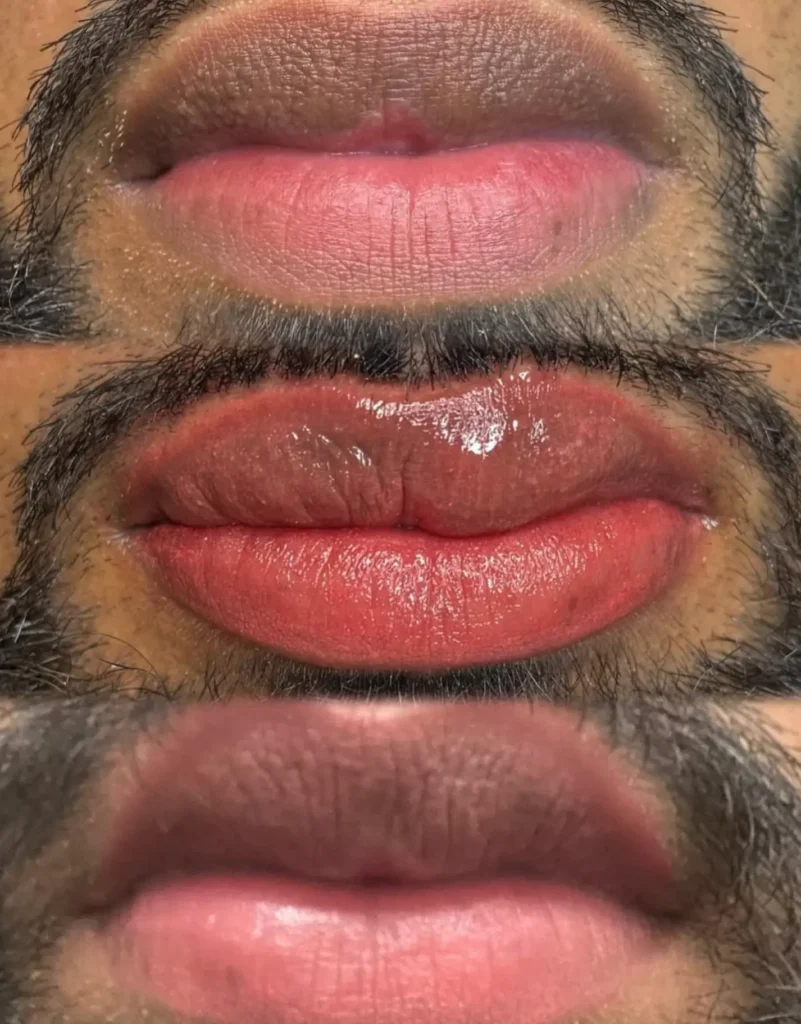
At our Melbourne studio I prioritise safety above all else. Here’s what we do to keep reactions and complications to a minimum:
- Use only EU-certified, hypoallergenic pigments specifically formulated for melanin-rich lips
- Pre-screen clients for skin sensitivities, medications and contraindications
- Apply conservative layering (no overworking the skin!)
- Provide detailed aftercare instructions with 7-day and 30-day checkpoints
You’re never left guessing what to do next.
Real Client Insight: “From Ashy to Rosy”
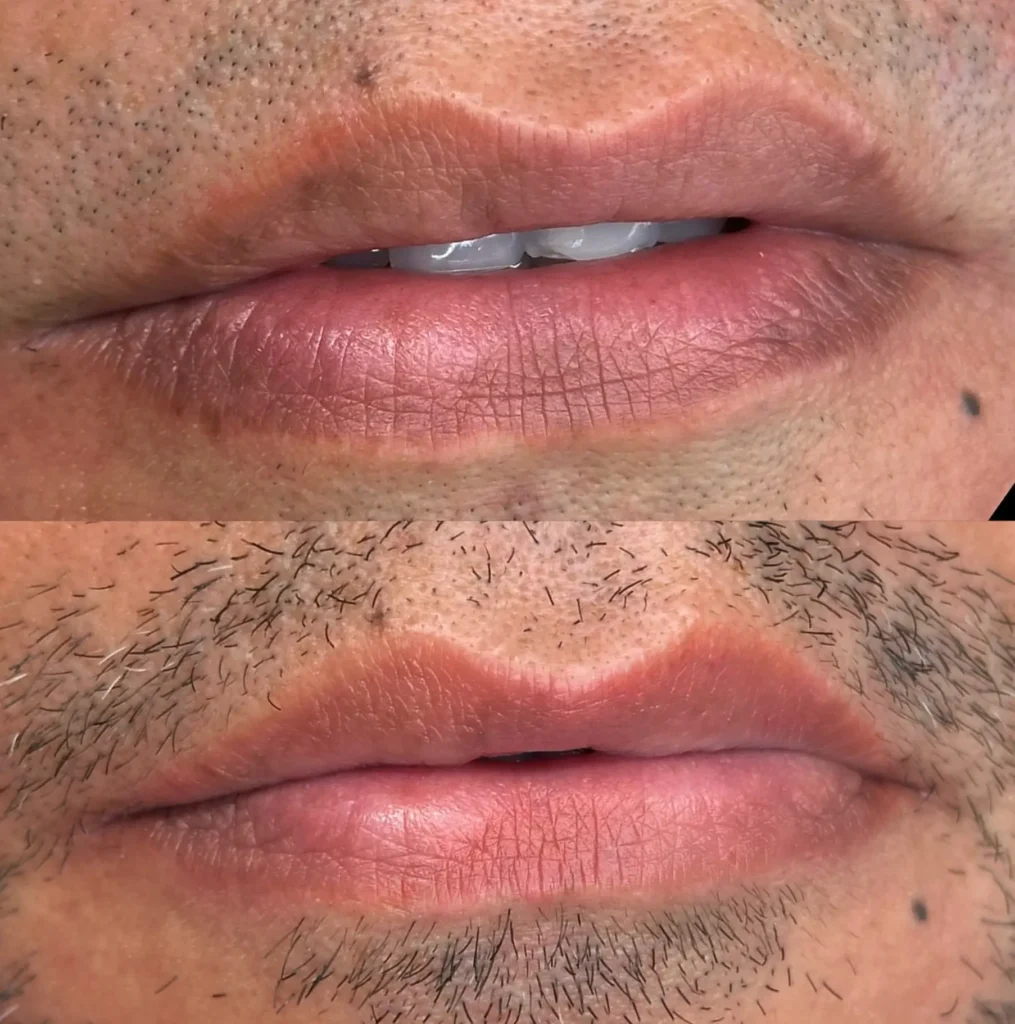
One of my Melbourne clients, a beautiful woman with cool-toned, deep lips, came in after years of avoiding lipstick due to uneven tone. After two dark lip neutralization sessions and strict aftercare her lips healed into a soft rosy hue that didn’t just flatter her complexion — it boosted her confidence.
She told me, “I finally wear gloss without worrying what shade hides the darkness.”
That’s the kind of subtle transformation I believe in.
Lip Prep Tips to Avoid Unwanted Reactions
Prepping your lips right can go a long way in reducing sensitivity and improving colour hold. Here’s what I advise all clients before a session:
- Start hydrating your lips 5-7 days in advance (especially in winter)
- Avoid alcohol and caffeine 24 hours before (reduces swelling and bleeding)
- Gently exfoliate with a sugar scrub 2 days before
- Take antiviral medication if prone to cold sores
And please, always disclose any fillers, eyebrow tattoo work or past lip tattoo services in your consult.
Is it Safe for All Skin Types?
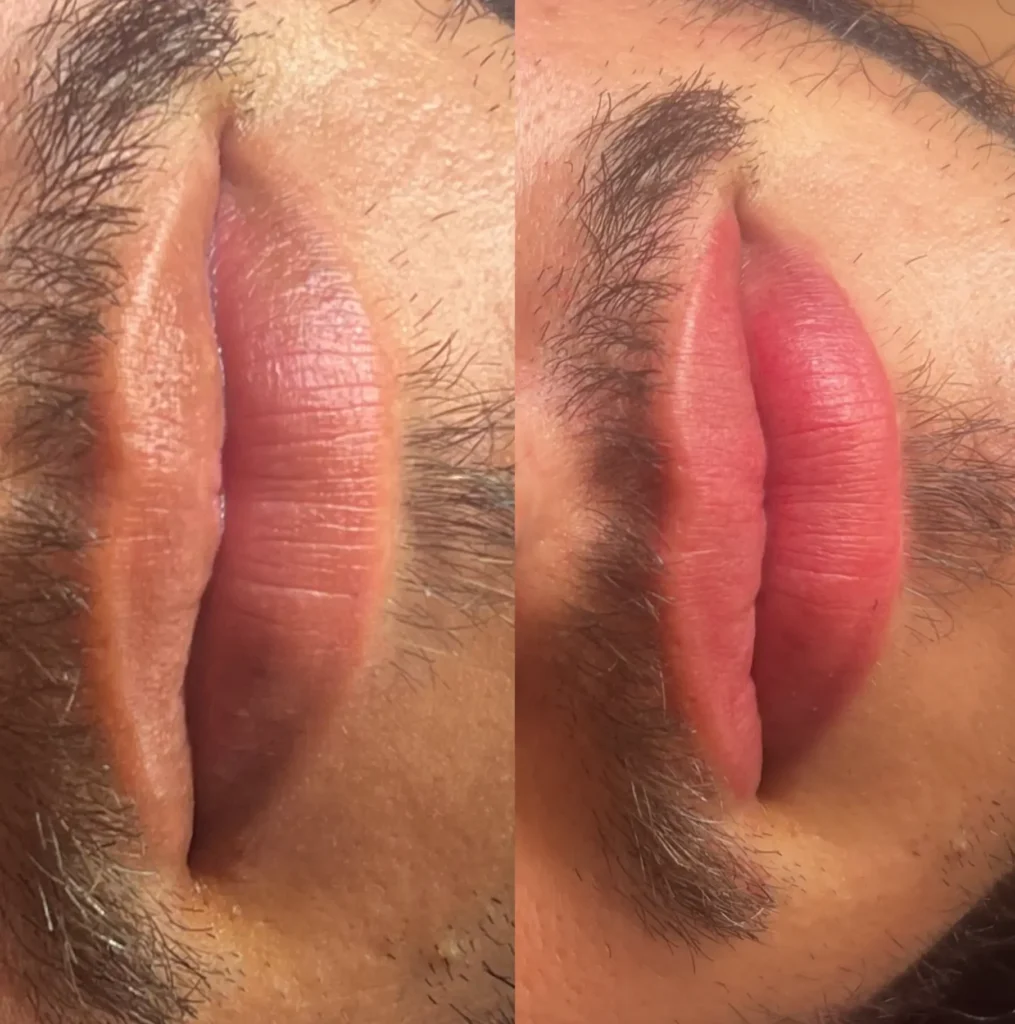
In experienced hands, yes. But there are exceptions. I don’t perform lip neutralisation on:
- Severely damaged or peeling lips
- Clients with uncontrolled autoimmune disorders
- Pregnant or breastfeeding clients
- Active cold sores or infections
If your lips aren’t currently suitable we can usually prepare them for a later appointment with a hydration plan or skincare referral.
Final Thoughts
So, what are the potential side effects of lip neutralisation? Mostly they’re temporary reactions like swelling or dryness — but with improper technique or poor aftercare more serious risks like uneven pigment or scarring can occur. That’s why I always say: don’t rush it. This is a slow build cosmetic tattoo treatment not a quick fix.
Thinking of correcting lip tone or booking a blush effect? I’d love to help. At Cosmetic Tattoo Melbourne Studio Face Figurati we customise every lip neutralization session to your natural undertones, lip health and comfort. Whether you’re refining your lip shape, redefining your lip line or exploring lip tint tattoos you’re in good hands.
Still unsure if lip neutralisation is for you? Book a free consult with me at Face Figurati — we’ll chat.
FAQ
Does lip neutralisation hurt more than lip blush?
It depends on the client but neutralisation can feel slightly more intense due to layering. We use topical anaesthetics to keep you comfortable throughout.
How long do the side effects of lip neutralisation last?
Most short-term effects like swelling or flaking will resolve within 7 days. Full colour results will appear around 6-8 weeks post-treatment.
Can I wear lipstick after lip neutralisation?
Once healed (after about 2 weeks) yes. Many clients find they no longer need lipstick but it’s totally safe to wear once your skin is intact.
How many sessions are usually needed?
Most clients need 2-3 sessions to get a smooth, even-toned result. Every case is different depending on your natural pigment and how your lips heal.
Will my lips look darker after the procedure?
Temporarily yes. This is normal during healing. The pigment settles and lightens over time to reveal the corrected colour.